Blitz Bureau
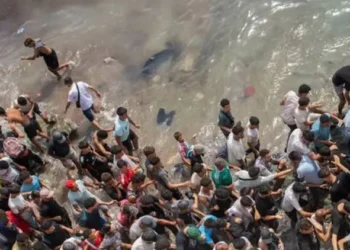
NEW DELHI:Between 3,000 and 5,000 migrants remain in the Spanish territory of Ceuta following the arrival of many times that number of people last week, the north African exclave’s leader, Juan Jesús Vivas, said.
He told the European Parliament of his “profound sorrow” over the “irreparable tragedy” of 100 deaths that had occurred after roughly 78,000 migrants from neighbouring Morocco arrived by sea in a matter of hours.
The crisis has created tensions among EU nations who share open borders and has sparked criticism of the Spanish government.
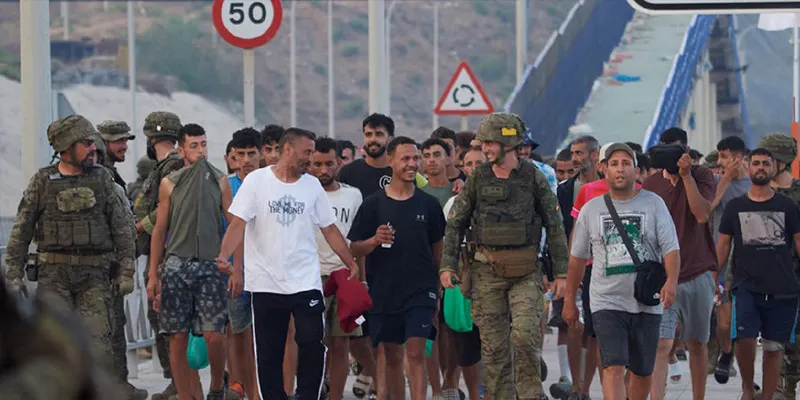
However the EU Commission has commended Spain’s “swift response” to the crisis, which has included deploying armed forces to Ceuta and its other territory on the north African coast, Melilla.
Meanwhile, Morocco said it is ready to cooperate with Spain and other European partners on the return of unaccompanied minors who were among tens of thousands of migrants who crossed into Ceuta, state news agency MAP reported on August 6.
“Morocco has committed, in line with high royal instructions issued to the interior and foreign affairs ministries, to work towards identifying unaccompanied minors with a view to their return to their homeland,” MAP, which reflects official positions, said citing a diplomatic source.
While the Spanish authorities say 72,000 migrants crossed during the influx last week, Moroccan authorities said about 40,000 people were involved.
At least 1,100 unaccompanied minors remain in Ceuta, some of whom arrived during last week’s large-scale crossing while others were already in the enclave, according to local authorities. Unlike adults, minors cannot be immediately returned under existing procedures.
The migrant rush started with Instagram posts that suggested Spain’s border with Morocco was opening up. Then came Facebook users tracking coast guard patrols and TikTok videos showing where to swim.
What led to the rush
The migrants’ misunderstanding of the recent legal developments in Spain, including Prime Minister Pedro Sánchez’s immigration regularization measures and a court ruling limiting authorities’ ability to immediately return migrants who swim into Ceuta, are believed to have led to the migrant rush.
Sánchez’s recent efforts to regularize migration were meant only for people already living in Spain prior to January 1, the majority of whom hail from Latin America and entered Spain legally but overstayed their visas. But some in Morocco misinterpreted his policy, believing they would be allowed to stay.
Ceuta officials said they had warned the Spanish government of a surge in arrivals before the massive crush. The Spanish Interior Ministry said that it had not received “any report or warning regarding the mass arrival of people in Ceuta.”