NEW DELHI: The takeover of Yemen’s entire Red Sea coastline by the Houthis has affected the African countries significantly.
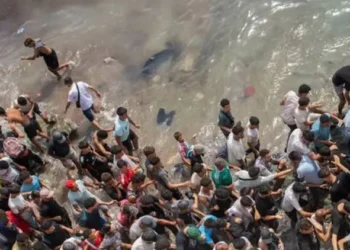
Houthi forces on September 13 were positioned just 20 kilometres (12 miles) from the African coast and essentially in control of the strategically significant Bab al-Mandeb strait, a chokepoint for Red Sea maritime traffic. More than 2,000 people have fled Yemen to the East African country, Djibouti, over the past 24 hours, the International Organisation for Migration (IOM) said on September 13.
Yemenis arriving in Obock, a Djibouti city only about 20km (12 miles) from Yemen’s coast, are being provided with food and water, but the IOM warned that “more support is needed”.
Despite the Houthis’ assurances that maritime traffic in the Red Sea will not be affected, Saudilinked ships have been targeted by the group in recent weeks. The sharp decline in Red Sea transit affected Egypt’s economy, which relies heavily on Suez Canal tolls as a key source of foreign currency.
Egypt lost approximately $7bn between 2023 and 2024, or about 60 per cent of the Suez Canal’s revenues, according to official data. But the Yemenis’ new position as gatekeepers to the Red Sea has given Eritrea, also across the Bab alMandeb strait from Yemen, a key geostrategic role. Somalia’s business community is seeking alternative shipping routes as security concerns and fighting disrupt maritime traffic around the Bab alMandeb and Strait of Hormuz