Blitz Bureau
NEW DELHI: India’s civil aviation minister summoned Air India’s chief executive on Tuesday over a flight that dropped about 300 feet over Odisha last week. Behind the summons sits a question worth understanding: what an airline means when it calls that a “momentary altitude variation”.
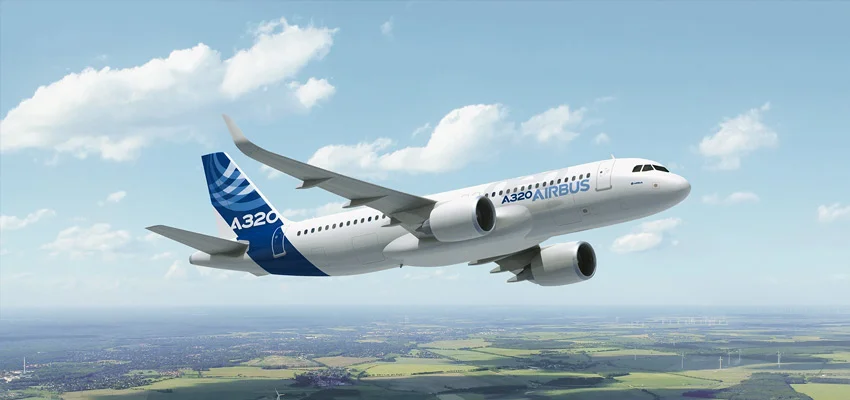
The facts first. An Airbus A320neo operating from Phuket to Delhi, carrying 137 passengers and eight crew, experienced what Air India described as a momentary altitude variation while over Odisha. Thirteen passengers and four crew members were injured. The aircraft landed safely in Delhi. Indian authorities opened an investigation days ago, and on Sunday the civil aviation ministry said the captain had returned an initial screening result for psychoactive substances that prompted further laboratory testing; Air India said it had not been informed of those results. On Tuesday the minister summoned chief executive Campbell Wilson.
Cruise altitude, and the seat belt sign: most injuries in sudden altitude events happen to people who are not strapped in when the aircraft moves.
Three hundred feet is nothing to an aeroplane at cruise. It is a great deal to an unsecured trolley, and to a passenger who is not strapped in.
At a Glance
• Flight: Phuket to Delhi, Airbus A320neo
• On board: 137 passengers, eight crew
• Altitude loss: about 300 feet, over Odisha
• Injured: 13 passengers and four crew
• Outcome: aircraft landed safely at Delhi
• Status: investigation opened; CEO Campbell Wilson summoned August 11
• Additional testing: captain’s initial psychoactive screening referred for laboratory confirmation
• Wider context: DGCA logged 889 serious technical defects across Indian aviation in 2025
The physics is worth stating plainly, because the phrase used by airlines conceals it. At cruising altitude an aircraft is separated from other traffic by 1,000 feet, so a 300-foot excursion is not in itself a proximity event. What matters is not the distance but the acceleration. A drop of 300 feet taken gently over a minute is unnoticeable. The same drop taken in three or four seconds briefly reduces the effective weight of everything not fastened down — passengers, cabin crew working the aisle, service trolleys, overhead contents — and everything then arrives back on the floor at once. That is why injuries in these events cluster among crew and among passengers who have unfastened their belts, and it is why the seat-belt-when-seated advice, which sounds like boilerplate, is the single most effective protection available to a passenger.
The encouraging part of this episode is the sequence. The occurrence was reported, an investigation was opened within days, a screening result was escalated to laboratory testing rather than filed, and the regulator’s own published count of 889 serious technical defects during 2025 is a matter of public record placed before Parliament. A system that publishes its defect count and escalates an inconclusive test is behaving the way a mature safety culture is supposed to behave; concealment, not incident volume, is what makes aviation dangerous. The constructive route from here is procedural rather than punitive — a published finding on what caused the excursion, and a clear statement of what changes in training, crew rostering or automation handling follow from it. India will fly more than 300 million passengers a year within this decade. The habit of investigating a 300-foot deviation with this seriousness is exactly the habit that makes that number safe.