Blitz India Business
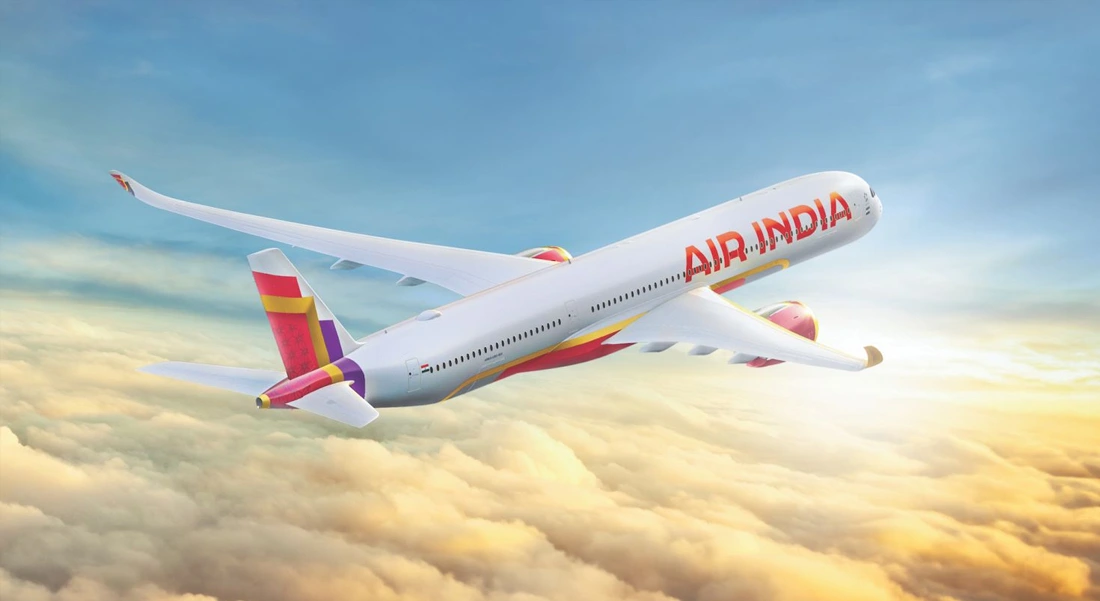
NEW DELHI: Air India is seeking about $1.5 billion in fresh equity from its owners Tata Sons and Singapore Airlines, months after the second-largest Indian airline posted a record annual loss, two people familiar with the matter told Reuters.
It would be one of Air India’s largest publicly reported requests for shareholder funding since Tata took control of the former state-owned carrier in 2022. It highlights the challenges facing the airline as it undergoes a multi-billion-dollar revamp, including the refurbishment of its existing fleet.
The carrier and its budget unit Air India Express posted combined losses of $2.33 billion in the fiscal year ended March, more than double the prior year’s losses. The losses have also weighed on Singapore Airlines’ profits.
“Air India wants the funds immediately, though the infusion is likely to happen in tranches. Singapore Airlines would need to contribute its share of the proposed infusion for the investment to go through,” one of the sources said.
It is seeking the funding in the form of fresh equity, the two people said. Discussions are ongoing and no decision has been taken on the request, they added, declining to be named as they were not authorised to discuss the matter publicly.
Other than the rise in aviation fuel prices because of the West Asian war, Air India has also been hit by Pakistan’s airspace ban on Indian carriers, disruptions to its international network from the US-Israeli war with Iran and the fallout from a deadly crash last year that killed 260 people.
Air India and Tata Sons did not respond to Reuters requests for comment.
Singapore Airlines, which owns around 25 per cent of Air India, said it was working closely with Tata Sons to support Air India’s transformation programme, but declined to comment on the airline’s finances.
Air India has also been hit by Pakistan’s airspace ban on Indian carriers, disruptions to its international network from the US-Israeli war with Iran and the fallout from a deadly crash last year that killed 260 people.
Its funding request comes as Tata Sons Chair N. Chandrasekaran prepares to step down in February following months of disagreements with the group’s controlling charitable trust, partly over Air India’s losses.
Chandrasekaran has said Air India’s turnaround could take up to a decade, citing persistent supply-chain disruptions and the need to overhaul the airline’s legacy systems, culture and fleet.
Air India has sought to defer deliveries of hundreds of jets on order from Airbus and Boeing as Tata presses the carrier to cut costs and reduce record losses, Reuters reported earlier this year.
“Air India is expected to continue requiring capital infusions in the coming years,” one of the sources added.
Singapore MP opposes plea
Air India’s mounting losses may well reach Singapore’s parliament, with an opposition politician questioning the commercial logic of Singapore Airlines backing the Tata-owned airline, which has asked for a $1.5 billion bailout from its stakeholders to help effect a turnaround, according to an exclusive report by The Economic Times.
Workers’ Party MP Kenneth Tiong Boon Kiat opposed any future use of Temasek funds to support Air India through Singapore Airlines, which owns about 25 per cent of the Indian carrier.
Temasek Holdings–the Singapore government-owned multinational investment firm–is SIA’s largest shareholder. Tata owns the remaining 75 per cent of Air India.
In a letter to Singapore transport minister Jeffrey Siow, Tiong asked whether Air India’s losses have been assessed against SIA’s capacity to provide essential transport services and whether they engage the notification duty attached to SIA’s designated status under the Civil Aviation Authority of Singapore Act.
He sought an oral answer in the September 8 parliamentary session. “This is not only a question for private shareholders,” he said. “Whichever of the two writes the cheque, it will have a significant impact on Temasek. No one, least of all Singaporeans, owes Air India a living. I will not support, nor expect, any future use of Temasek’s funds to prop up Air India via Singapore Airlines. If Singapore Airlines wants to continue its bet on Air India, it should do so on its own two feet, and not on Temasek’s.” Temasek declined to comment. SIA and Air India did not respond to queries.
Tiong posted his letter to the minister on his social media page. He couldn’t be reached for comments on his mobile.
In a letter to Singapore transport minister Jeffrey Siow, Tiong asked whether Air India’s losses have been assessed against SIA’s capacity to provide essential transport services and whether they engage the notification duty attached to SIA’s designated status under the Civil Aviation Authority of Singapore Act.
The potential capital call from Air India comes after SIA reported a first-quarter net loss, its first since 2022, weighed down by Air India’s poor numbers and higher jet fuel costs due to the US-Iran conflict, despite posting record revenue.
SIA’s two-year bet on Air India has already led to the airline booking operating losses of about S$1.3 billion ($780 million), down from S$2.02 billion a year earlier. The investment in November 2024 came just months before Air India’s Ahmedabad plane crash and Pakistan shutting out Indian carriers from its air space apart from rising fuel prices.