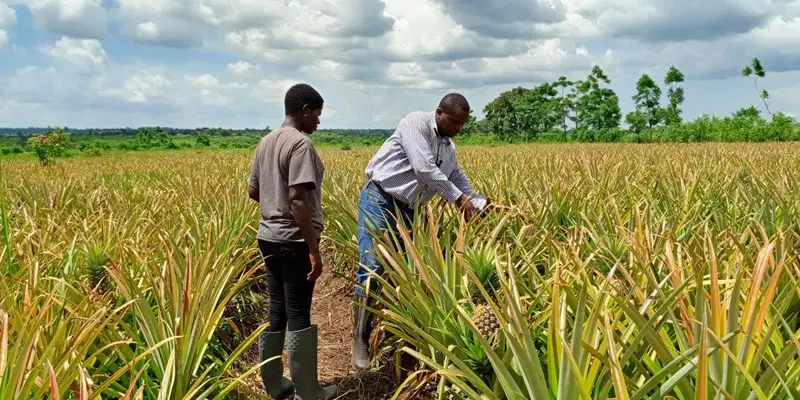
NEW DELHI: Pineapples have become a symbol of sovereignty in Burkina Faso: they are grown inside a military base in Ouagadougou, and part of the country’s formal development plan as it seeks to boost food selfsufficiency. In April, a basket of pineapples sat beside the Burkinabé flag as military leader Ibrahim Traore gave an hours-long interview to international media on state TV.
Part of a wider push for the country to rid itself of external dependence, pineapples are one of many ways food has turned political – authorities have boasted about Burkina’s increased tomato paste production, and banned rice imports in April this year with a stated goal of facilitating local production.
Food sovereignty has long held an important position in political discourse in Burkina Faso. President Traore has in many ways modeled his leadership on former President Thomas Sankara’s, challenging Western influence in Africa and pushing for the country to be self-reliant. The government wants to reduce overall reliance on imports and adapt to an ever-harsher climate in the dry heat of Africa’s Sahel region.
Breaking the stereotype
There were doubts whether pineapples would grow in the Sahel region of Africa. The soil in Burkina Faso is red, sandy and stony. “There were stereotypes. We ourselves were victims of this,” says farmer Oumarou Compaoré. “We said to ourselves that we are in a Sahelian country. All we can do at the end of the day is cotton, corn, sorghum.”