
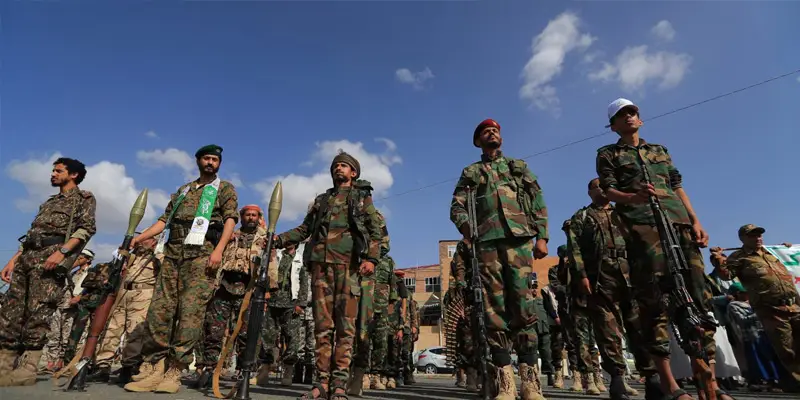
Alightning offensive by the Iran-aligned Houthis has put the militants in a position to control a crucial Middle East waterway, creating a major new problem for US President Donald Trump as his war with Iran grinds on in its seventh month.
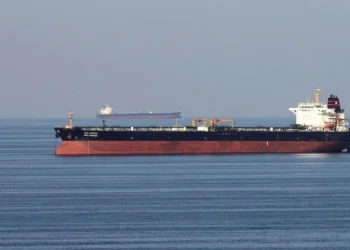
Widening the Middle East conflict, Houthi fighters have advanced south along Yemen’s coast, increasing their ability to choke off the Bab el-Mandeb Strait — the “Gate of Tears” at the mouth of the Red Sea — giving Tehran potential leverage over both of the region’s main oil-shipping corridors, according to a Reuters report.
The militants reached the island of Perim on September 11, in the middle of the strait between Yemen and Africa.
That is bad news for Saudi Arabia, which has been shipping much of its oil from Red Sea ports since the war effectively closed the Strait of Hormuz, on the opposite side of the Arabian Peninsula.
It also comes at a difficult time for Trump, who is already grappling with recordlow approval ratings and searching for a way out of the conflict, most recently by announcing an economic pressure campaign designed to force concessions from Iran’s government.
Midterm elections High US gasoline prices driven by the conflict have jeopardized his Republican Party’s chances of keeping control of Congress in the November midterm elections. Iran remains defiant despite being hurt militarily and economically. The US administration can’t afford to have the Houthis close the strait, driving up energy prices and disrupting global trade.
But at the same time, entering a fight with a foe that has withstood previous attacks by Saudi Arabia and the US would be a dangerous new mission for a US military already stretched by the fighting in Iran.
Iran’s foreign ministry said in a statement on September that the Yemen conflict could not be solved by blockade or military action against the Houthis and called for dialogue, without addressing Iran’s own role.