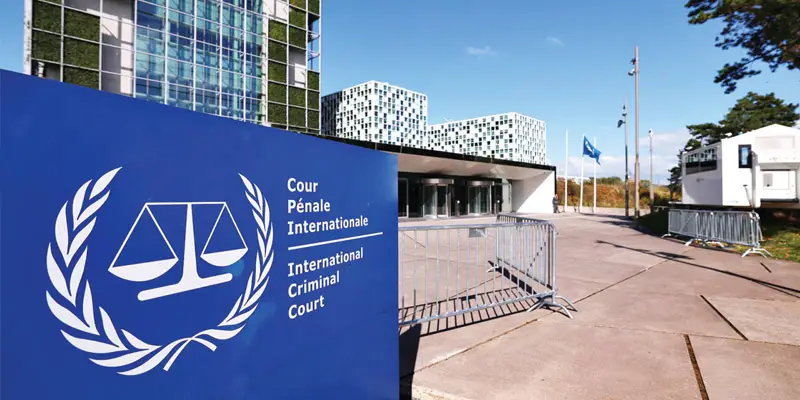
NEW DELHI: US President Donald Trump’s administration imposed sanctions on the International Criminal Court on October 9, hours after one of its former judges won the Nobel Peace Prize, putting Washington on a diplomatic collision course with European allies.
The court denounced the move as an “assault on the rule of law and on the very foundations of the international legal order,” and called on its 125 member states to take action to defend it.
“The Court cannot stand alone. Its fate now rests also in the hands of the states that created it,” it said in a statement. “This is not just about defending a single institution, but about safeguarding the international order grounded upon the rule of law. History will judge this moment.”
The Trump administration has long been hostile to the court, founded in 2002 to prosecute war crimes, crimes against humanity and genocide, and has previously imposed sanctions on its prosecutors and judges.
The largest move goes much further, potentially punishing companies that provide services to the court itself, amounting to an unprecedented attack on an institution founded on an international treaty. The US initially signed the Rome Statute that founded the court but never ratified it.
The US Treasury announced the sanctions with a six-month initial grace period, and some other exemptions that would allow some transactions for telecoms, software, payment of pensions and transactions related to detainees.
Secretary of State Marco Rubio said the sanctions had been structured to give the court and its member states an opportunity to address US concerns, and would be adjusted if those demands were not met.
Washington has denounced the ICC over arrest warrants issued for Israeli officials including Prime Minister Benjamin Netanyahu, and an investigation into actions of US soldiers in Afghanistan, which the ICC says is “deprioritized.”