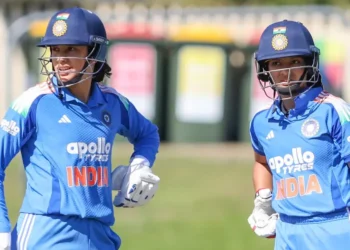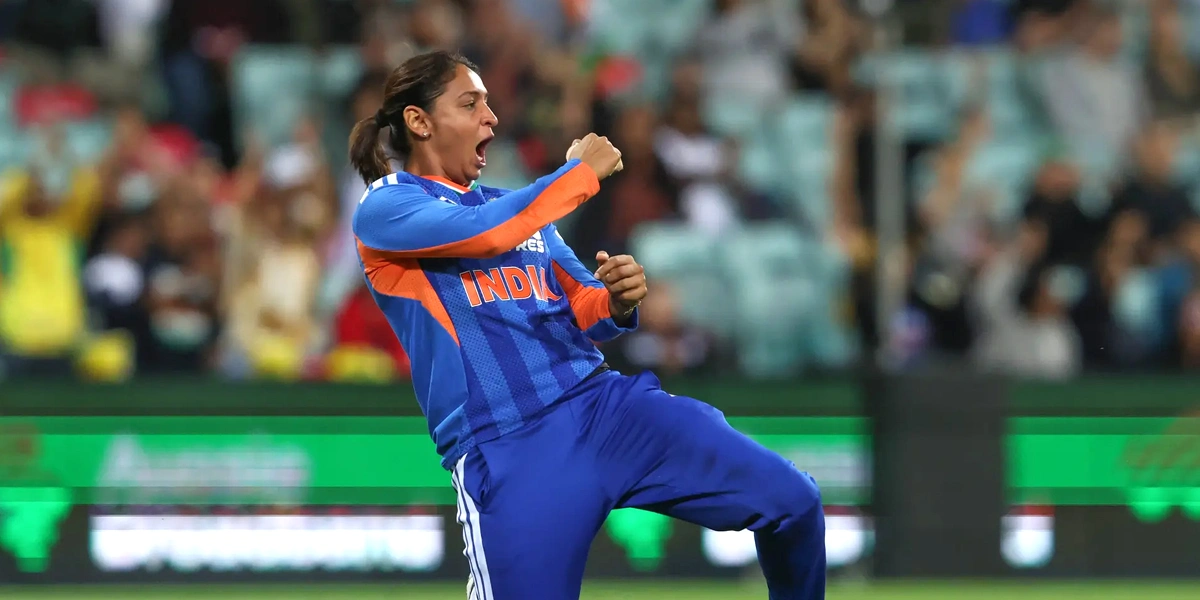
NEW DELHI: There is something deeply symbolic about a captain handing over the reins of an Indian cricket team. It is more than a change of leadership– the closing of one chapter, the opening of another. In the case of Harmanpreet Kaur and Smriti Mandhana, the passing of a baton between two generations that have helped transform women’s cricket in India.
End of an era
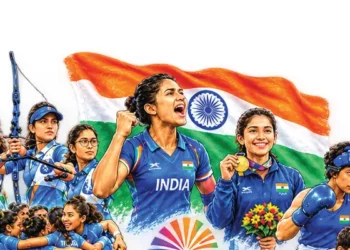
Harmanpreet stepping down as India captain marks the end of an era. For nearly a decade, she was the face of Indian women’s cricket at its most important crossroads — a period when the team moved from being respected to being genuinely feared, when packed stadiums replaced empty stands and when a generation of young girls began to see cricket as a possible career rather than a distant dream. She was the one who inspired India to the 2025 World Cup victory on home turf—the pinnacle of women’s glory Now the responsibility falls on Smriti Mandhana.
The transition feels natural. Mandhana has been Harmanpreet’s teammate, vice-captain, match-winner and trusted lieutenant through some of the most significant moments in Indian women’s cricket. If Harmanpreet represented power, defiance and an ability to seize the big moment, Mandhana brings a different quality — elegance, composure and a modern understanding of leadership.
Harmanpreet’s captaincy will be remembered for its ambition and its willingness to challenge convention. She took over at a time when Indian women’s cricket was still fighting for space and recognition. Under her leadership, India became regular contenders in global tournaments and developed the belief that they belonged at the highest table. Her legacy, however, cannot be measured only in trophies.
It lies equally in the confidence she instilled in the dressing room. Harmanpreet played with a temperament that could change a match in minutes. Her famous big-hitting ability made her one of India’s most recognisable cricketers, but as captain she also carried the burden of expectation that came with leading a rapidly growing sport.
Glorious Highs
There were glorious highs and painful disappointments. There were finals that slipped away, campaigns that promised more than they delivered and moments when the pressure on the captain became enormous. Yet Harmanpreet remained central to India’s rise. Mandhana inherits a team that is very different from the one Harmanpreet first led.
Today’s Indian women’s side has depth, exposure and belief. Players enter the international arena having already experienced franchise cricket, global tournaments and high-pressure contests. The Women’s Premier League has further expanded the talent pool and given Indian players a platform where leadership, tactical awareness and handling pressure are developed at a much younger age. Mandhana herself is a product of that evolution.
A stylish left-hander whose batting has often been described as effortless, she has grown into one of the most influential figures in the women’s game. Her leadership challenge, however, will be different from her batting challenge. She will have to manage personalities, make difficult tactical calls, absorb criticism and maintain the team’s hunger while carrying the expectations of millions. The temptation will be to compare the two captains. That would miss the larger story.
Mandhana does not have to be Harmanpreet. She has to be herself. If Harmanpreet’s India was built around fighting against the odds and establishing its credentials, Mandhana’s India can be about consolidating that position and going one step further. The ambition will no longer simply be to compete with the best. It will be to expect to beat them.
END OF A DEFINING ERA
Harmanpreet;s decision to step down marks the end of a defining era in Indian women’s cricket.
Her captaincy helped transform India from contenders into a team capable of conquering the biggest stage.
Mandhana now inherits a confident side shaped by the 2025 World Cup triumph and the growth of the Women’s Premier League.
The passing of the baton represents not an ending, but the beginning of a new chapter in India’s women’s cricket journey