NEW DELHI: After an uneven start and several anxious days of waiting for the medal tally to gather momentum, the Indian contingent found another gear in the closing stages of the Aichi-Nagoya Asian Games, turning a modest campaign into a memorable one. With 85 medals, including a strong haul of golds, India finished fourth in the continental standings. The final position may not tell the whole story. The more compelling story is how India got there.
For much of the Games, the medal table offered a familiar picture: flashes of brilliance, a few expected successes, but also disappointments in disciplines where India had hoped to challenge strongly. Then, as the competition entered its decisive phase, the medals began arriving with striking regularity.
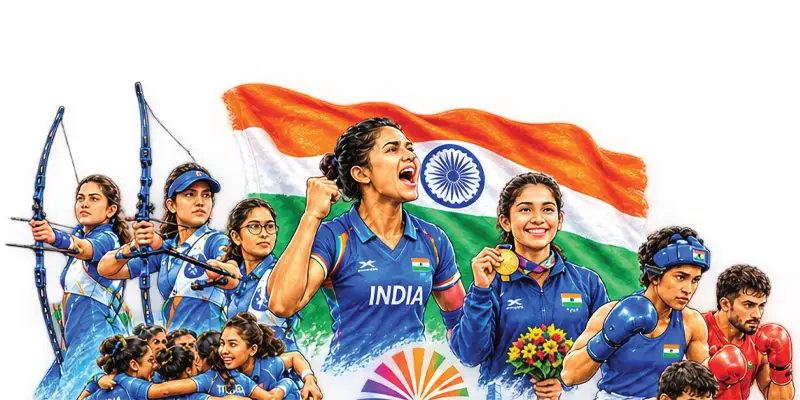
Athletes who had carried the weight of expectation delivered when it mattered most. India’s archers, boxers, wrestlers and hockey players provided the late surge that transformed the complexion of the campaign.
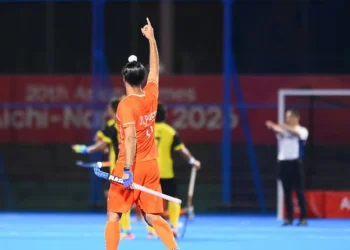
The women’s hockey team produced one of the defining moments, beating China 1-0 in the final, with Lalremsiami scoring the decisive goal in the 10th minute. It was India’s first women’s hockey gold at the Asian Games since 1982 — a 44-year wait ended in one afternoon. The victory also secured India a direct qualification place for the Los Angeles 2028 Olympics.
Archery proved productive
Ankita Bhakat, Kumkum Anil Mohod and Kirti combined to win India’s first-ever Asian Games gold in the women’s recurve team event, defeating South Korea 5-3 in the final. The success did not stop there. Seventeenyear-old Kumkum emerged as one of the revelations of the Games, adding a mixed-team silver before claiming individual women’s recurve gold.
For India, the archery success was more than a collection of medals. It was evidence of a sport steadily expanding its depth and producing young athletes capable of thriving under pressure. Boxers, wrestlers excel Boxing and wrestling then supplied another burst of gold.
Lovlina Borgohain dominated the women’s 75kg final, winning 5-0, while Parveen triumphed in the women’s 65kg category. Ankush added gold in men’s 80kg boxing and Sujeet Kumar emerged victorious in men’s 65kg freestyle wrestling.
These victories mattered not merely because they added to the tally but because of when they arrived. Every late medal altered the mood around the Indian camp and kept the country climbing the standings. That late acceleration is perhaps the defining feature of India’s AichiNagoya campaign.
Disappointments galore
There were disappointments. Several established names fell short of expectations, and some traditionally dependable medal-producing disciplines were unable to maintain their previous standards. India was also reminded that success at the Asian level is becoming increasingly difficult as rivals invest heavily in elite sport.
Yet the response was significant. The 85-medal haul demonstrated that India’s sporting base is broadening. The medal winners came from a range of disciplines, while the emergence of younger athletes offered perhaps the most encouraging sign for the future.
THE YOUNG AND FURIOUS
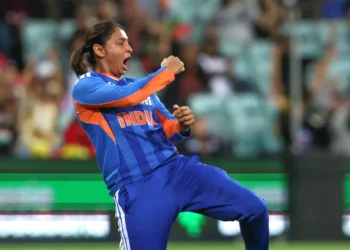
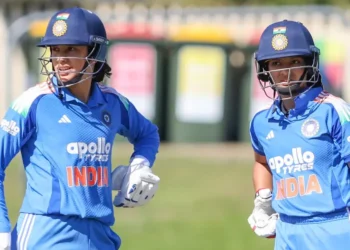
From the women’s hockey team’s triumph to 17-yearold Kumkum Mohod’s double-gold, it was the young stars who delivered.
India’s late medal surge propelled the country to fourth place at the Aichi-Nagoya Asian Games.
Golds in hockey, archery, boxing and wrestling transformed a slow-burning campaign into a memorable finish.
medal campaign offers India renewed confidence going into the Los Angeles Olympics in 2028.