Blitz Bureau
NEW DELHI: After one of the driest Junes in over a century, the southwest monsoon has picked up pace in early July, narrowing the rainfall gap and giving farmers a window to make up lost time — even as the India Meteorological Department expects the month’s rainfall to stay a little below normal. July is the season’s wettest and most decisive stretch for India’s rain-fed farms.
Cumulative rainfall to July 6 stood at about 170.7 mm, roughly 20% below the long-period average, with a sharp regional split: a deficit of around 41% across east and north-east India, 19% below normal in the north-west and 5% below in central India, while south India ran about 15% above. Kharif sowing, at roughly 35.1 million hectares as of July 5, was running about 21% behind last year, with rice, pulses and coarse cereals seeing the widest gap — a shortfall the recovery in rain is now beginning to close.
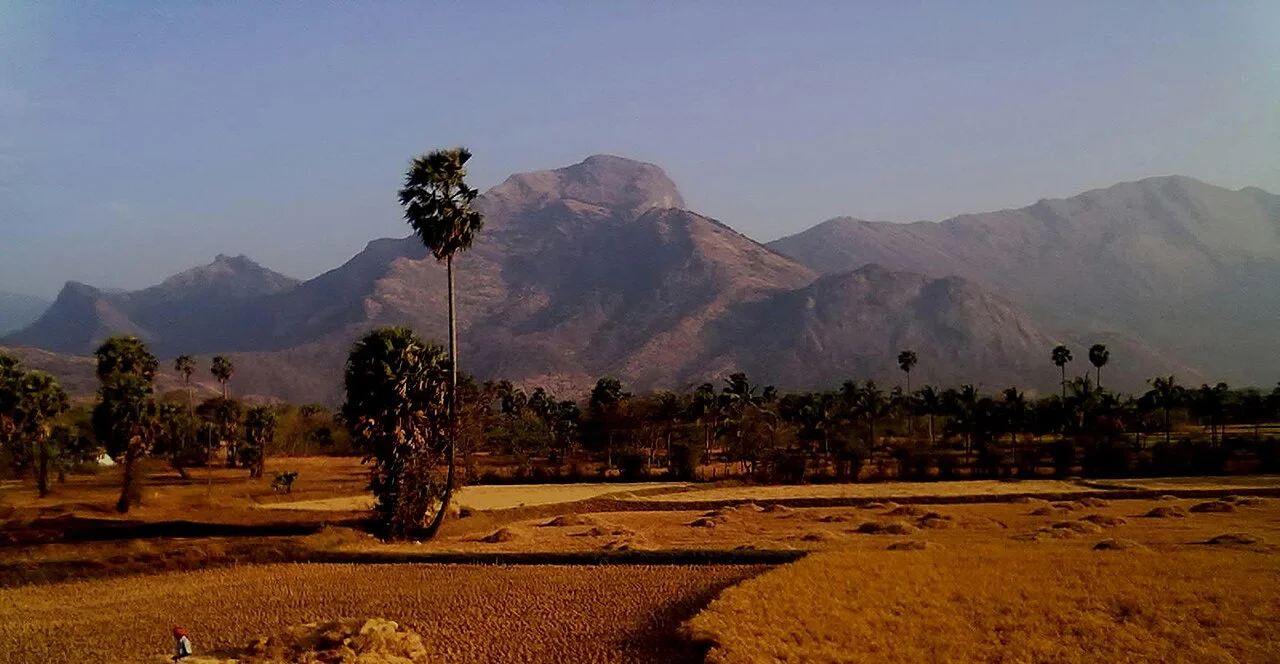
Catching up: A recovery in rainfall is giving farmers a window to make up lost ground on paddy, pulses and oilseeds.
Monsoon arithmetic is about timing as much as totals — a strong, well-spread July can still rescue a season that began dry.
At a Glance
- Cumulative rain (to Jul 6):) ~170.7 mm, about 20% below normal
- Regional split: East/NE −41%, NW −19%, Central −5%, South +15%
- Kharif sowing (Jul 5):) ~35.1 million hectares, ~21% below last year
- July outlook: Below-normal overall; some regions normal-to-above
The near-term challenge is real — reservoir levels, drinking-water supply and sowing all lean on July and August. Central and state agencies have contingency plans, from short-duration seed varieties to advisories nudging farmers in rain-fed districts toward pulses, millets and oilseeds, while rising water availability is expected to cushion uneven distribution.
The constructive path is preparedness in motion: matching seed and credit to the revised calendar, keeping reservoirs and irrigation ready to bridge dry spells, and using India’s dense forecast network so a slow start becomes a manageable season rather than a lost one.