Blitz Bureau
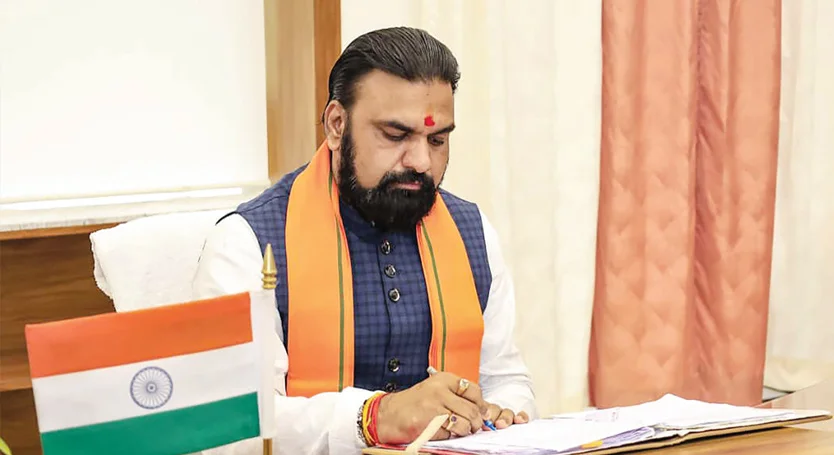
NEW DELHI: Thirteen major proposals concerning governance, infrastructure, security, sports, industrial development and public welfare were approved at a meeting of the Bihar Cabinet under the chairmanship of Chief Minister Samrat Choudhary on May 20.
One of the key decisions involved the sanction of Rs 747.97 crore in advance from the Bihar Contingency Fund for Rural Local Bodies for the financial year 2026-27, in line with the recommendations of the 15th Finance Commission.
The Cabinet also approved the creation of a new post of Inspector General (Border) under the Special Branch to strengthen intelligence coordination and security management along Bihar’s international borders.
In the sports sector, approvals were granted for the free transfer of Government land to the Sports Department for the construction of major sports infrastructure projects, including 6.61 acres in Saharsa for an outdoor stadium under the Chief Minister’s Development Scheme, 6.8 acres in Arwal for a sports complex building, and additional land in Aurangabad for the development of the Deo Sports Complex.
Under the Bihar Industrial Investment Promotion Policy, the Cabinet approved the establishment of a 960 MTPD parboiled rice production unit in Nalanda with an investment of Rs 88.18 crore.
A major tourism and connectivity initiative was also approved, with administrative sanction of Rs 10.40 crore for selecting IndiGo to operate direct international flights between Gaya International Airport and Bangkok.
The Government stated that the service is expected to significantly increase the number of foreign tourists and Buddhist pilgrims visiting Bihar, while also creating employment opportunities.
Under the Bihar Industrial Investment Promotion Policy, the Cabinet approved the establishment of a 960 MTPD parboiled rice production unit in Nalanda with an investment of Rs 88.18 crore. In another important security-related decision, the Cabinet authorised the Director General of Police in Patna to retain 50 specialised police personnel within the Special Task Force on deputation for up to 15 years.