Blitz Bureau
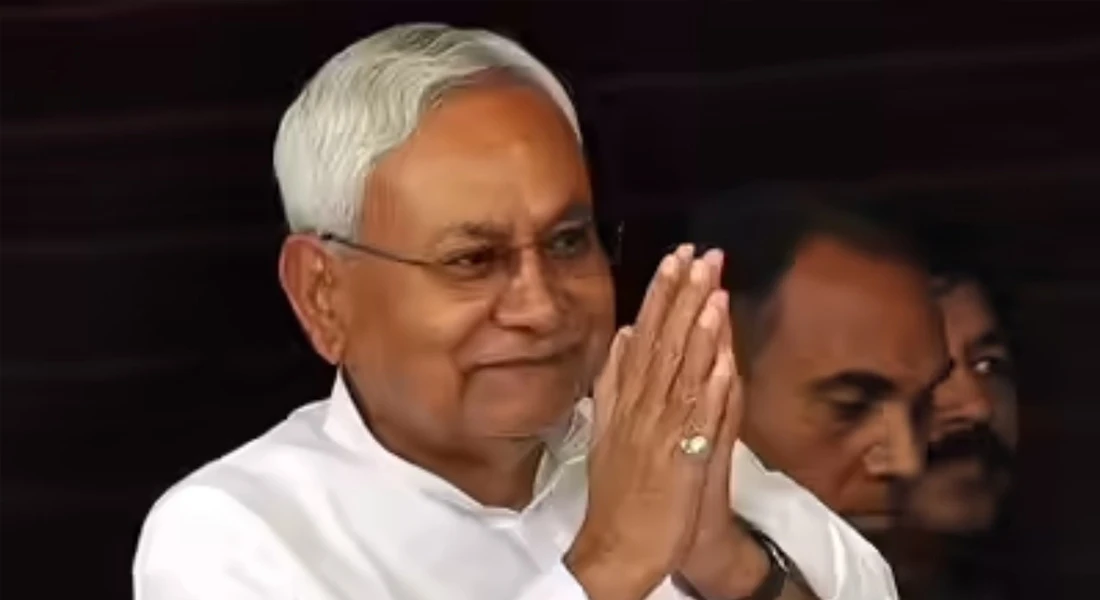
NEW DELHI: Adominant force in Bihar for over two decades, Chief Minister Nitish Kumar’s shift to the Rajya Sabha marks the end of an era in Bihar politics.
He is set to achieve a rare political milestone — having been a member of all four legislative bodies: the Bihar Legislative Assembly, Lok Sabha, Legislative Council, and now the Rajya Sabha.
With him stepping away from the state legislature, the power dynamics are set to shift in the state. The Bharatiya Janata Party, which holds 89 seats in the Assembly and has been waiting in the wings, is likely to take the lead, potentially installing its own Chief Minister.
The Janata Dal (U), built around Nitish’s leadership, faces an uncertain future without a clear successor. Interestingly, the politics in the state has functioned under a unique arrangement where Nitish remained the central figure, even when his party, the JD(U), was not the single-largest force. That equilibrium now appears set to change. Even in the last two Assembly elections, the BJP had emerged stronger in terms of seats but still Nitish led the Government.
For years, the state’s politics has revolved around three principal parties: the BJP, the JD(U), and the Rashtriya Janata Dal and Nitish’s presence ensured that this triangular balance remained intact.