Blitz Bureau
NEW DELHI: A trade agreement two years in the making has stopped being a document and started being a fact. The India–United Kingdom Comprehensive Economic and Trade Agreement — signed in July 2025 after long negotiation — came into force on July 15, and its first effects are now working their way into ports, price lists and payslips. From the day it went live, about 99% of Indian export lines enter Britain duty-free, and the great majority of British goods lines see their Indian tariffs cut or phased down — the widest opening of the two markets to each other in a generation.
The gains are concentrated where India employs the most people. Duties fall away on labour-intensive exports — textiles and garments, leather and footwear, gems and jewellery, and marine products — the very sectors that turn market access into wages in small towns and coastal districts. British consumers gain cheaper Indian food, spices and apparel; Indian buyers, over time, see lower prices on Scotch whisky, cars and medical devices as those tariffs step down on an agreed schedule. A parallel social-security pact, the Double Contributions Convention, spares professionals posted between the two countries from paying into both systems at once for up to five years.
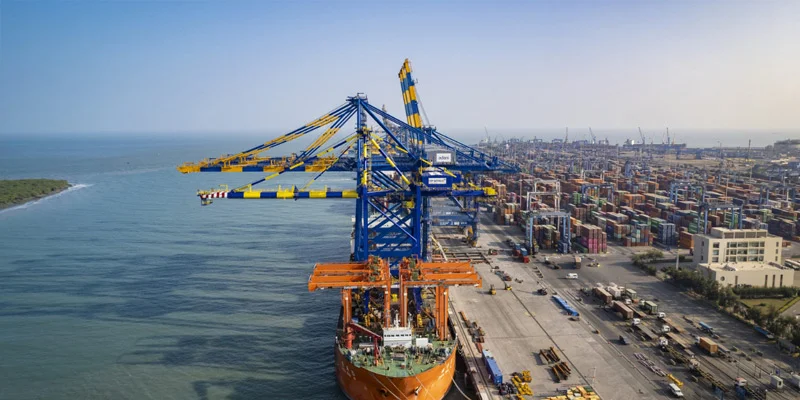
Access becomes advantage: With the CETA in force from July 15, about 99% of Indian goods lines enter the UK duty-free — the biggest gains flowing to textiles, leather, gems and marine exports.
A trade deal is only paper until a container clears customs cheaper than it did the week before. This one has now crossed that line.
At a Glance
• In force: July 15, 2026 (signed July 2025)
• Access: ~99% of Indian export lines duty-free into the UK; most UK lines cut or phased down
• Winners: textiles, leather & footwear, gems & jewellery, marine products
• Estimate: officials project ~£25.5 bn a year in added bilateral trade over the long run
Why does this rank as the morning’s lead? Because a preferential opening into a large, high-income market is exactly the kind of durable tailwind India’s export engine has been waiting for — and because it lands as a template. New Delhi is negotiating in parallel with the European Union, the United States and others; a working, in-force agreement with a G7 economy shows the model can be closed and switched on, not merely announced. The value now shifts from the signing to the plumbing: customs procedures, rules-of-origin paperwork and standards recognition that decide whether the paper tariff cut becomes a real order.
The constructive read is that access is the opportunity and execution is the task. The way forward is to help exporters — especially the small and mid-sized firms that dominate textiles and leather — actually use the deal: simple origin certification, trade finance, and quality and standards support so Indian goods meet British shelves at speed. Handled with that follow-through, July 15 becomes more than a date in a treaty; it becomes the point at which a decade of negotiation started paying out in factory orders, port throughput and jobs.