Anoop Saxena
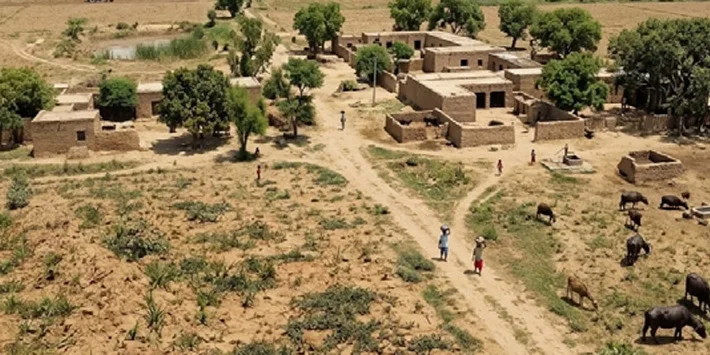
BLASPUR VILLAGE, KASNAL (UP): Standing in the middle of his parched field, Samir Bhati gazes across the cracked earth, waiting for the monsoon that has sustained generations before him. The winds blow dust across his farm, but there is little sign of rain that millions across South Asia desperately need.
Samir’s struggle reflects a growing concern across South Asia as meteorologists warn that a powerful El Niño weather pattern, combined with record global temperatures, could bring severe disruptions to the region’s monsoon season.
El Niño, a periodic warming of ocean waters in the eastern Pacific, alters weather patterns around the globe. While it often brings heavy rainfall and flooding in parts of the Americas, it can cause droughts and below-average rainfall in countries such as India, Bangladesh, Indonesia, and Australia. This year, scientists fear the impact could be particularly severe.
A warmed planet
The United Nations and climate monitoring agencies have warned that the current El Niño is developing against the backdrop of a planet already warmed by human-induced climate change. The combination raises concerns about stronger heatwaves, erratic rainfall, and increased pressure on food production.
For India, the stakes could hardly be higher. The annual monsoon delivers nearly 70 per cent of the country’s rainfall and remains the lifeline of an agricultural sector that supports hundreds of millions of people. “The situation is very bad at the moment,” says Samir.
For several days in recent weeks, large parts of India and neighboring countries have experienced temperatures above 45 degrees Celsius. The intense heat has already claimed lives and damaged crops, increasing anxiety among farmers.
Agricultural expert and activist Devinder Sharma warns that the combination of heatwaves and El Niño could be devastating. “We have experienced heatwaves before,” Sharma says. “But when extreme heat is accompanied by El Niño, agriculture faces a double blow. Crops suffer from both high temperatures and reduced rainfall.”
Worrying implications
India’s Meteorological Department has indicated that El Niño conditions are strengthening and that seasonal rainfall may remain below the long-term average. For farmers already struggling with rising costs, the implications are worrying.
“Indian agriculture is already under pressure because of rising fertiliser and fuel costs,” explains Akshit Sangomla of the Centre for Science and Environment. “El Niño could further reduce water availability, especially in rain-fed agricultural districts that depend almost entirely on seasonal rainfall.”
Nearly half of India’s agricultural land lacks reliable irrigation infrastructure and relies solely on the monsoon. Delayed or inadequate rainfall can translate into lower yields, reduced incomes, and higher food prices.
Climate scientists note that extreme weather has become increasingly common as global temperatures rise. Long dry spells are often followed by intense downpours that the hardened soil cannot absorb, leading to floods that destroy crops and infrastructure.
The concern extends beyond India. In Bangladesh, meteorologists are monitoring the absence of the crucial pre-monsoon rain known as Kalbaishakhi. These storms normally help prepare the ground for the arrival of the main monsoon.
The monsoon delivers 70 pc of the country’s rainfall and remains lifeline of an agricultural sector that supports hundreds of millions of people
Food security concern
Experts warn that El Niño is unfolding in a world already significantly warmer than it was before the industrial era. This combination could push temperatures and heatwaves to unprecedented levels over the next two years.
Food security is becoming a growing concern. Rice production, a cornerstone of diets across Asia, is particularly vulnerable to erratic rainfall. Sharma recalls previous El Niño episodes that reduced rice yields after rain failed during critical growing periods. “If a similar situation develops this year,” he says, “we could be looking at a serious agricultural crisis.”
The Government has already taken precautionary measures by restricting some rice exports and issuing El Niño advisories in nearly 200 districts. Yet for many small farmers, such warnings provide little practical protection.
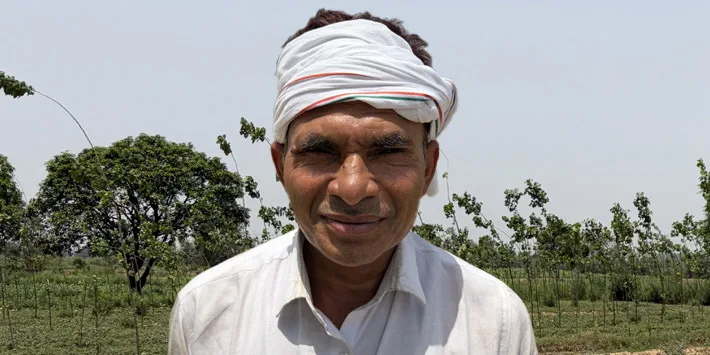
“Farmers cannot prepare much because they are poor,” says Kanwal Singh, another farmer from the region. “In the end, we still depend on the monsoon.”
As dark clouds start gathering now, farmers see a glimmer of hope. Because for them, the arrival of rains is not merely a weather event; it is the difference between prosperity and hardship, security and survival.