Blitz Bureau
NEW DELHI: India bought vehicles in June like never before. Dealers retailed just over 25.5 lakh vehicles across all categories, a 21.83% jump on a year earlier and the strongest June the retail-sales record has ever logged, according to dealer body FADA. Under that headline sits the more telling shift: the electric transition moved another decisive step from niche to mainstream.
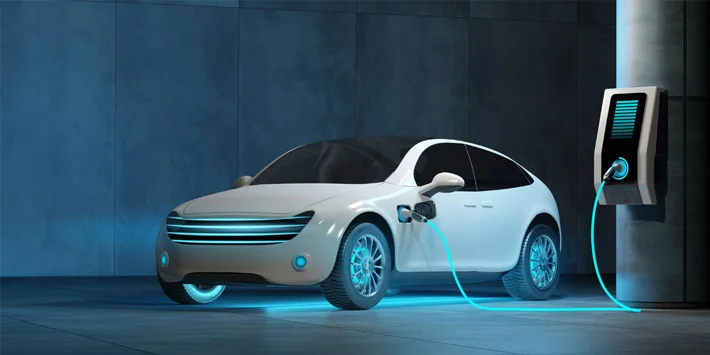
Electric registrations hit an all-time monthly high of 3,06,220 units, pushing overall EV penetration past 12%. The passenger-vehicle story is the standout — electric car sales reached a fresh peak of 31,823 units, and once hybrids and CNG are added, alternative-fuel models made up 40.35% of all passenger-vehicle sales, the highest share India has ever recorded. Two-wheelers crossed a threshold of their own, with electric models taking double-digit market share for the first time.
Mix shift, not a spike: Penetration past 12% and an alternative-fuel share above 40% point to a demand curve that has genuinely turned.
A record month is nice; a record mix is structural. When four in ten new cars run on something other than plain petrol, the market has changed for good.
At a Glance
• Total retail (June): ~25.5 lakh units, +21.83% YoY — best-ever June
• EVs: 3,06,220 units, a monthly record; penetration >12%
• Electric cars: new peak of 31,823 units
• Alt-fuel PVs: 40.35% of car sales — highest ever
The breadth matters as much as the numbers. Three-wheelers are now overwhelmingly electric, and the two-wheeler shift reaches the price-sensitive commuter market where India’s mobility future will largely be decided. Festive-season demand and a wave of new launches in the second half will test whether June’s momentum holds, but the direction is no longer in doubt.
The constructive priority is to convert this demand into durable infrastructure: denser charging networks, affordable battery financing and a deeper domestic cell supply chain. Get those right, and a record month compounds into a self-sustaining market — cleaner air in Indian cities and a manufacturing base that exports the mobility of the future rather than importing it.