Blitz Bureau
NEW DELHI:Every monsoon season produces the same anxious arithmetic and the same conclusion: too little, or too much, or at the wrong time. The variable India argues about each June is the one it cannot change. The one it can has almost nothing to do with rainfall.
This year’s sequence is a textbook illustration. June was the fifth driest since records began in 1901, leaving the season around 40 per cent short entering July. Rain in the first week cut that to roughly 14 per cent; a dry fortnight pushed it back to 24; widespread rain between July 21 and 24 brought it down again to about 15. July itself finished around 10 per cent below its long period average of 280.4 mm, and the IMD’s forecast for August is 97 per cent of normal, with a margin of nine percentage points either way. At one point in mid-July, 397 of India’s 741 districts were recording below-normal rainfall. By August the national picture had improved considerably. Both statements are true, and neither tells a farmer in a deficient block anything useful.
The adjustable variable: India cannot make the monsoon reliable. It can decide how much of what falls is still available six weeks later.
A country cannot negotiate with a rain gauge. It can decide what happens to the water in the ninety minutes after it lands.
At a Glance
• June 2026: fifth driest since 1901; season deficit about 40 per cent entering July
• Through July: deficit cut to roughly 14 per cent, back to 24, then down to about 15 after rain of July 21-24
• July’s own total: roughly 10 per cent below its long period average of 280.4 mm
• Districts below normal, mid-July: 397 of 741
• IMD August outlook: 97 per cent of the long period average, ±9 percentage points
• Mid-season sowing: oilseeds, coarse grains and pulses all recorded area below last year
• The structural lever: what share of rainfall is stored, recharged or applied efficiently rather than lost to runoff
The permanent feature of the Indian monsoon is not its average but its distribution — across districts, across weeks, and increasingly across hours. Rain that is adequate nationally can be scarce in a block. Rain adequate for a season can be absent in the fortnight a crop flowers. And rain that arrives as three intense days rather than fifteen moderate ones largely runs off instead of soaking in, which is the change most consistent with what climate science expects of a warming atmosphere. None of those three is a forecasting failure. They are the reason a good seasonal total and a poor harvest can coexist, and the reason chasing a better number each June is the wrong project.
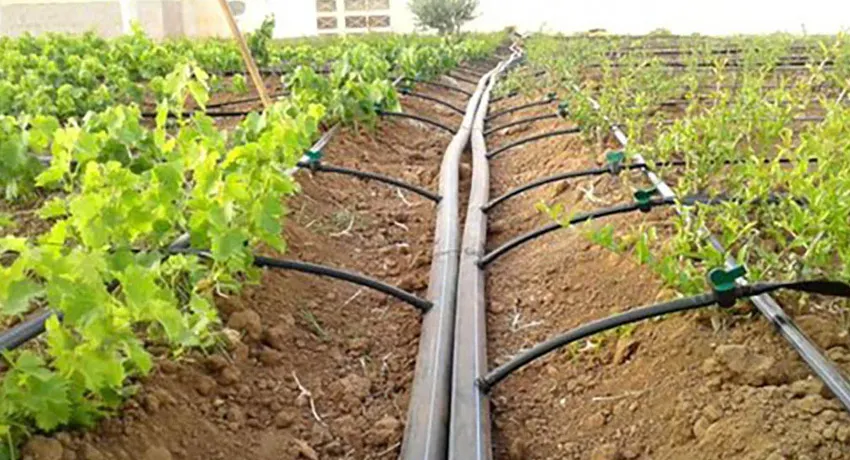
What can be changed is the fraction of that rainfall a farmer still has access to six weeks after it falls. The instruments are known and India has been deploying them for years: watershed treatment and farm ponds that convert an intense fall into a stored one; check dams and recharge structures that put water back into an aquifer rather than a drain; micro-irrigation that stretches a given volume across three times the area flood irrigation would cover; and short-duration, drought-tolerant varieties that shrink the window in which a crop is exposed. Layered on top is the digital work now underway — farmer registries, block-level advisories, faster insurance settlement — which finally makes it possible to target support at the specific place the rain failed rather than the state where, on average, it did not. The monsoon will keep varying; that is its nature. The achievable national goal has never been to make it dependable. It is to make a household’s income independent of whether it was.