Blitz Bureau
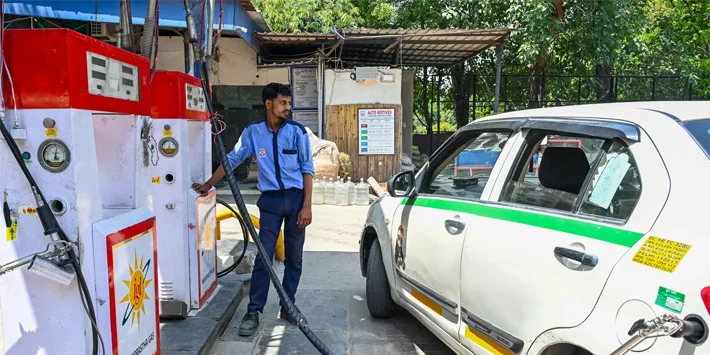
NEW DELHI: As the West Asia crisis rattled global economies with surging oil and gas prices since the US-Iran war began on February 28, India protected its consumers from the oil shock that hit all many countries.
Sri Lanka, still recovering from its 2022 collapse, reintroduced mandatory petrol rationing within a fortnight and moved the public sector to a four-day week, its registration portal crashing as millions rushed to sign up.
Pakistan closed schools, shortened the working week and played its cricket behind closed doors to keep traffic down.
Myanmar combined odd-even driving with QR-code rationing, Bangladesh posted troops at its oil depots, and Ethiopia routed fuel to security forces and essential industry, suspending distribution altogether in Tigray.
The wealthier importers avoided rationing by leaning on their reserves and their budgets. Japan ran down its strategic stock and subsidised the pump, South Korea capped prices for the first time in thirty years, and across the European Union, 22 of its 27 members had together spent over nine billion euros on relief by mid-April, with Germany cutting its fuel tax and Hungary releasing reserves that were soon reported running low.
Even oil producers were not spared at the pump — the United Arab Emirates (UAE) saw diesel rise about 85 per cent and Nigeria’s citizens squeezed by transport costs despite the windfall to its exporters.
Where the market was left to clear the rise was steep, diesel up about 80 per cent in New Zealand, petrol up a fifth in the United Kingdom and California past five dollars a gallon.