
Blitz Bureau
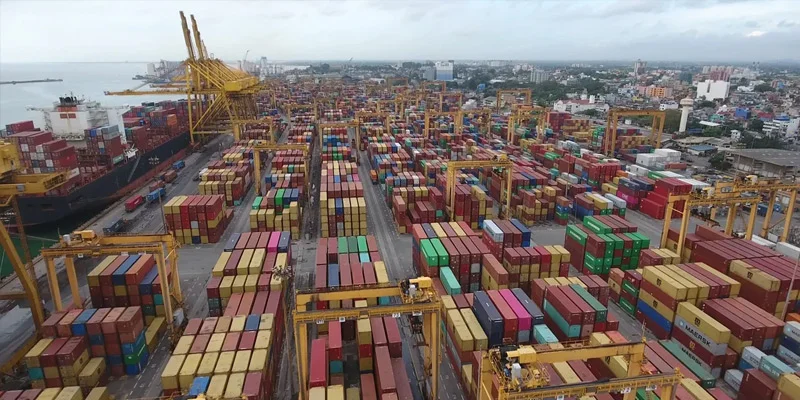
NEW DELHI: Exactly one year ago today, on July 24, 2025, India and the United Kingdom signed a Comprehensive Economic and Trade Agreement after more than three years of negotiation. On July 15, 2026, that signature finally became reality: the CETA entered into force, and on its very first day more than 50 consignments worth over $140 million were dispatched from India to Britain under the new terms. While one deadline dominates the headlines this week — the India–US tariff clock — the quieter story is of a landmark agreement that has already moved from paper to port.
The scale of the access is striking. The CETA gives duty-free entry to almost 99% of India’s exports to the UK, covering effectively all of the trade’s value, opening the British market wide for Indian textiles, leather, marine produce, engineering goods and processed foods. A negotiated compromise secured duty-free access for roughly 85% of eligible Indian steel exports, with a country-specific quota for the rest — resolving one of the thorniest sticking points. In return, close to 90% of British exports to India will enjoy phased tariff concessions, a genuinely two-way opening.
From signature to shipment: A year after the India–UK CETA was signed, and two weeks after it took effect on July 15, Indian exporters are already trading under near-total duty-free access — with textiles alone projected to gain around $1.6 billion.
A trade agreement is only as good as the container it fills. This one signed in a year, took force on schedule, and started shipping on day one — the rare deal that keeps its promises.
At a Glance
• Signed: July 24, 2025 — in force since July 15, 2026
• Access: duty-free on ~99% of India’s exports to the UK
• Day one: 50+ consignments worth $140 mn+ shipped from India
• Ambition: two-way trade of ~$56 bn now, targeted to reach $100–120 bn by 2030
The promise now is in the follow-through. Analysts expect Indian textile exports to Britain to gain around $1.6 billion and potentially double over time, sharpening India’s edge against competitors in a market where every percentage point of tariff counts. Bilateral trade worth close to $56 billion is targeted to roughly double to $100–120 billion by 2030 — an ambition that will be realised not in the treaty text but in the thousands of small and mid-sized firms that learn to use it. An accompanying social-security arrangement, easing double contributions for Indian professionals posted to Britain, adds a human dimension to the commercial one.
The constructive reading is that the CETA is a template as much as a transaction. It shows India negotiating hard, closing on competitive terms and then executing without delay — precisely the discipline it brings to its parallel talks with the United States and the European Union. The way forward is to help exporters, especially smaller ones, actually capture the access: simpler paperwork, faster logistics and trade finance that reaches the workshop floor. A year after the handshake, the cargo is moving; the task now is to make sure the whole of Indian industry is on board.