Blitz Bureau
NEW DELHI: The India–UK trade agreement has been in force for a month and three days. The tariff schedule tells you which Indian workers it was written for, and the answer is not the one the headline percentages suggest.
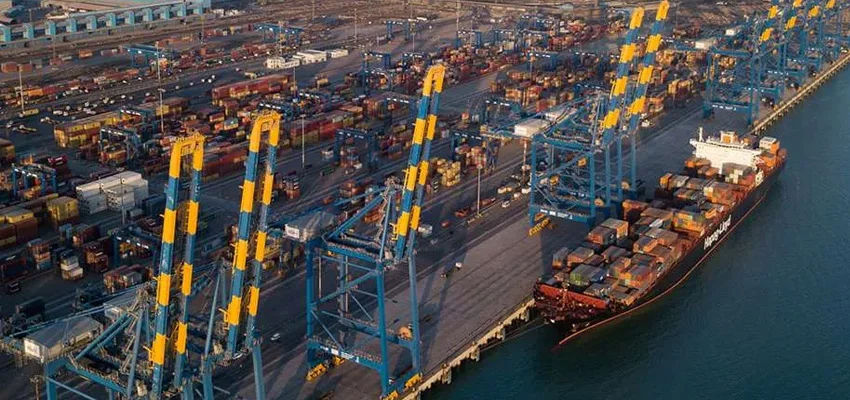
The India–UK Comprehensive Economic and Trade Agreement, signed on 24 July 2025, entered into force on 15 July 2026 after both countries completed ratification. It grants duty-free access for close to 99 per cent of India’s exports to the United Kingdom, covering almost the entire value of bilateral trade. Total UK–India trade was worth about £48 billion in 2025. On the first day of operation, more than fifty consignments worth over $140 million left India at zero duty from more than twenty ports, airports and cargo facilities — the seaports of Mundra, Nhava Sheva and Chennai and the air cargo complexes at Mumbai, Kolkata and Hyderabad among them, carrying electronics, pharmaceuticals and gems and jewellery. Ceremonial flag-offs were held at Bengaluru and at the Surat Diamond Bourse.
Twenty ports on day one: more than fifty consignments worth over $140 million left India for the United Kingdom at zero duty on 15 July, the day CETA entered into force.
The tariff cuts that matter for employment are the small ones. Textiles at 12 per cent and leather and footwear at 16 per cent sit on the two most labour-intensive export baskets India has.
At a Glance
• Signed: 24 July 2025 • in force: 15 July 2026
• Coverage: duty-free access for close to 99% of India’s exports to the UK
• Bilateral trade: about £48 billion in 2025
• Day one: 50+ consignments • over $140 million • 20+ ports and airports
• Tariffs eliminated — processed food: up to 70%
• Marine products: 21.5% • engineering goods: 18%
• Leather and footwear: 16% • textiles: 12% • chemicals: 8%
• Flag-offs: Bengaluru; Surat Diamond Bourse
The tariff schedule repays a slower reading than it usually gets. The largest single cut — up to 70 per cent on processed food — applies to the smallest export base of the lot, and its effect will be felt as new business rather than as relief on existing trade. The cuts that touch the most Indian workers are the modest-looking ones. Textiles came down 12 per cent and leather and footwear 16 per cent, and those two sectors employ more people per crore of output than almost anything else India ships. Marine products at 21.5 per cent matter to the coastal districts of Andhra Pradesh, Kerala and Odisha, where the value chain runs through small boat owners, processing units and ice plants. Engineering goods at 18 per cent is the largest export basket by value on the list. Chemicals at 8 per cent is the smallest cut and the most capital-intensive sector — useful for margins, thin on jobs.
For an ordinary reader the practical question is what changes and when. A tariff removal does not create an order; it removes a reason not to place one. Buyers in Britain reprice their sourcing over a season or two, which means the employment effect in Tiruppur, Kanpur, Agra and the Kerala backwaters will show up in the winter order books rather than in the July numbers. Students, professionals and travellers see nothing in the tariff schedule at all — their gains, if any, sit in the services and mobility chapters and will be judged separately. The constructive step available now is administrative rather than diplomatic: the rules-of-origin paperwork is what decides whether a small exporter in Tiruppur can actually claim the 12 per cent, and a single-window origin certification desk in each cluster would convert a headline concession into a shipment. Thirty-four days in, the ports have shown the agreement works. The next month should show whether the smallest firms can use it.