Blitz Bureau
NEW DELHI: Read a below-par monsoon the right way and it points past this season to a permanent task. India is home to about 18% of the world’s people but has only around 4% of its freshwater, and most of it arrives in a few monsoon months. The country’s real water challenge is not a single dry July; it is learning to catch, store and share a wildly seasonal resource across a year and a continent-sized geography. That is the work of generations, and it is quietly under way.
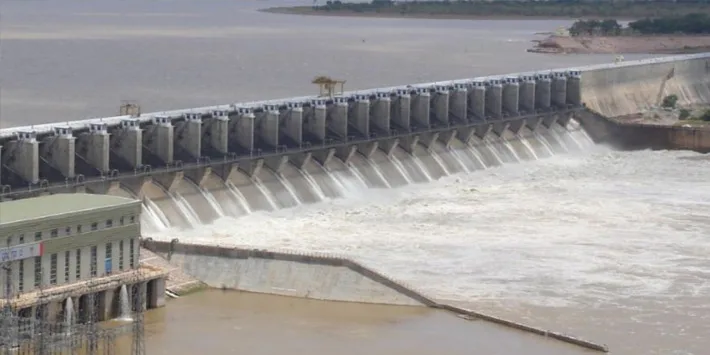
The strategy has three fronts. Store more — through reservoirs, farm ponds, check dams and the recharge of aquifers that a monsoon economy leans on. Waste less — through drip and sprinkler irrigation, since farming still uses the great majority of India’s water, and through fixing the leaks in city supply. And reuse — treating and recycling wastewater so the same drop works more than once. Each is unglamorous; together they decide whether growth outruns its own thirst.
Catch, store, share: Reservoirs, recharged aquifers and efficient irrigation are the structural answer to a resource that arrives all at once and must last all year.
You cannot negotiate with the clouds. You can, over decades, store what they give and waste far less of it. That is water security — growth’s most patient foundation.
The Long View
• The imbalance: ~18% of the world’s people, ~4% of its freshwater
• Store: reservoirs, farm ponds, check dams, aquifer recharge
• Save: drip and sprinkler irrigation; cutting urban supply losses
• Reuse: treated wastewater for industry and agriculture
None of this is automatic, and the honest account names the gaps: groundwater is over-drawn in many farm belts, city sewage treatment still lags the water piped in, and pricing signals rarely reward thrift. These are hard engineering and governance problems, not slogans — and closing them is precisely the national project a dry spell should renew resolve to finish.
The constructive, long-view read is that water security compounds like few other investments. Every recharged aquifer, every drip-irrigated field, every litre reused is insurance against the next weak monsoon and a foundation for farms, factories and cities alike. The rain India cannot control is the clearest argument for mastering the water it can — and turning a recurring anxiety into a durable strength.