Blitz Bureau
NEW DELHI: Away from the day’s headlines, a quiet piece of public plumbing has become one of India’s most consequential achievements. The Unified Payments Interface — the free, real-time system that lets a phone send money as easily as a text — processed about 22.7 billion transactions worth roughly ₹28.9 lakh crore in June 2026 alone, averaging some 757 million payments a day. Across the last financial year it handled more than 24,000 crore transactions worth over ₹314 lakh crore, on a base that has grown to around 55 crore users. Numbers this large describe not an app but an entire layer of the economy.
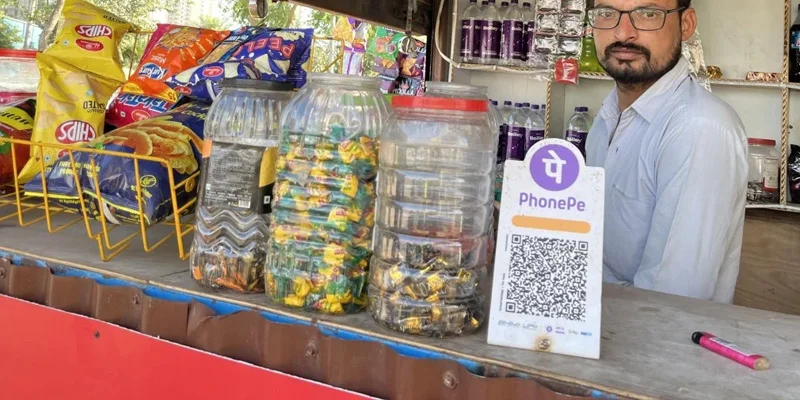
What makes UPI a structural story rather than a gadget is that it is shared infrastructure, like a road or a power grid. Built as a public good and opened to banks, fintechs and small businesses alike, it turned the smartphone into a cash register for the vegetable seller and the corner shop, pulled millions of first-time users into the formal financial system, and did it at a cost per transaction near zero. That combination — ubiquity plus near-free access — is why a street vendor and a large retailer now settle payments on exactly the same rails.
Shared plumbing: UPI handled ~22.7 bn transactions worth ~₹28.9 lakh crore in June 2026 — ~757 million a day — turning any phone into a cash register from the metro to the mandi.
The best infrastructure disappears into daily life. UPI’s triumph is that a billion small payments now feel like nothing at all.
The Long View
• June 2026: ~22.7 bn transactions worth ~₹28.9 lakh crore
• Daily average: ~757 million payments
• FY26: 24,000+ crore transactions worth ₹314+ lakh crore
• Users: ~55 crore — and a growing export as a model abroad
The honest account names the work still ahead. A system this central must be resilient to outages and relentless against fraud; its economics have to keep working for the banks and startups that run it even as most transactions stay free; and the next hundreds of millions of users — older, less connected, more cautious — need onboarding and protection. Extending the same reliability to feature-phone and offline users, and safeguarding data and consent as the network grows, are the tasks that keep a public good genuinely public.
The constructive, long-view read is that UPI is a template for how India can build: a shared, open, low-cost layer that private innovation then builds upon, spreading opportunity rather than concentrating it. The way forward is to guard that reliability, keep the rails open and affordable, harden them against fraud, and carry the same digital-public-infrastructure approach into credit, health and identity. Handled with that care, the payments revolution of the 2020s becomes the foundation of a more inclusive, formal and confident economy for decades — and, increasingly, an idea India exports to the world.