Blitz Bureau
NEW DELHI: India’s next assignment in the longest format is a two-Test tour of Sri Lanka, opening at the Galle International Cricket Stadium from August 15 and concluding at the Sinhalese Sports Club in Colombo from August 23. A fifteen-member squad has been announced, captained by Shubman Gill with KL Rahul as his deputy, and it carries one piece of news that will please every Indian supporter who followed the last IPL season: Ravindra Jadeja is back, having recovered from the tennis elbow injury he picked up during IPL 2026.
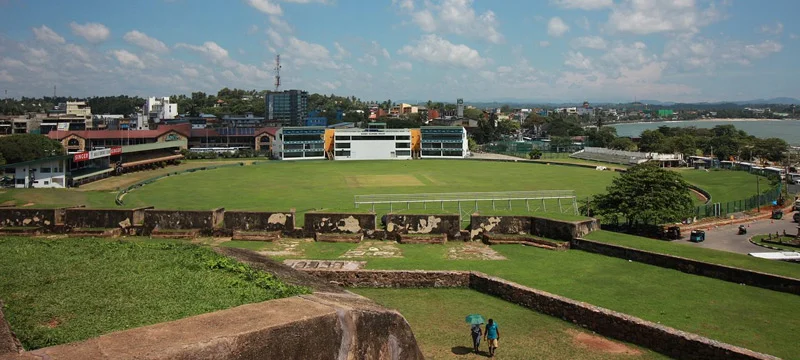
Two Tests in Sri Lanka in August is a specific kind of examination. Galle is the most distinctive Test venue in the subcontinent — a small ground beside the sea, with a surface that begins to turn appreciably from the second day and a fort wall that watches the whole thing. Colombo’s SSC is flatter, slower and rewards patience over invention. The tour is short, which removes the usual comfort of a series in which a side can lose the first Test and recover. Whoever wins in Galle will very likely win the series, and that puts an unusual weight on the opening week of a tour that begins barely a fortnight from now
.
Two Tests, one decisive week: Galle turns from the second day and Colombo’s SSC rewards patience, which makes squad balance rather than form the first selection question.
A returning all-rounder does not simply add a name to a team sheet. He decides how many bowlers a captain can afford to pick — which is the whole of Test selection in the subcontinent.
At a Glance
• Series: two Tests, India in Sri Lanka
• First Test: Galle International Cricket Stadium, August 15–19, 2026
• Second Test: Sinhalese Sports Club, Colombo, August 23–27, 2026
• Squad: 15 members
• Captain: Shubman Gill; vice-captain: KL Rahul
• Return: Ravindra Jadeja, after a tennis elbow injury sustained in IPL 2026
Jadeja’s availability is the selection question that answers several others. A front-line spinner who bats in the top seven and fields as well as anyone in world cricket allows a captain to pick an extra bowler without shortening the batting — the single most valuable degree of freedom available in Asian conditions, where matches are won by the side that can keep attacking through a long fourth innings. His return also matters for the balance of a young dressing room: Gill leads a side in transition, and a senior professional who has toured Sri Lanka before is worth as much in the team meeting as in the second session.
The broader point, and the encouraging one, is what a short August tour represents for a captain in his early tenure. Two Tests abroad, in conditions that punish impatience, against a Sri Lankan side that plays its spin exceptionally well at home, is a proper examination arriving early enough in Gill’s captaincy to be useful rather than defining. Indian cricket’s real strength at present is depth — a pipeline that can absorb an injury without collapsing, and a domestic system producing batters and spinners in numbers no other country matches. If this tour goes well, it will be because that depth held. If it does not, a two-Test series in August is exactly the right size of lesson to learn from.