
Blitz Bureau
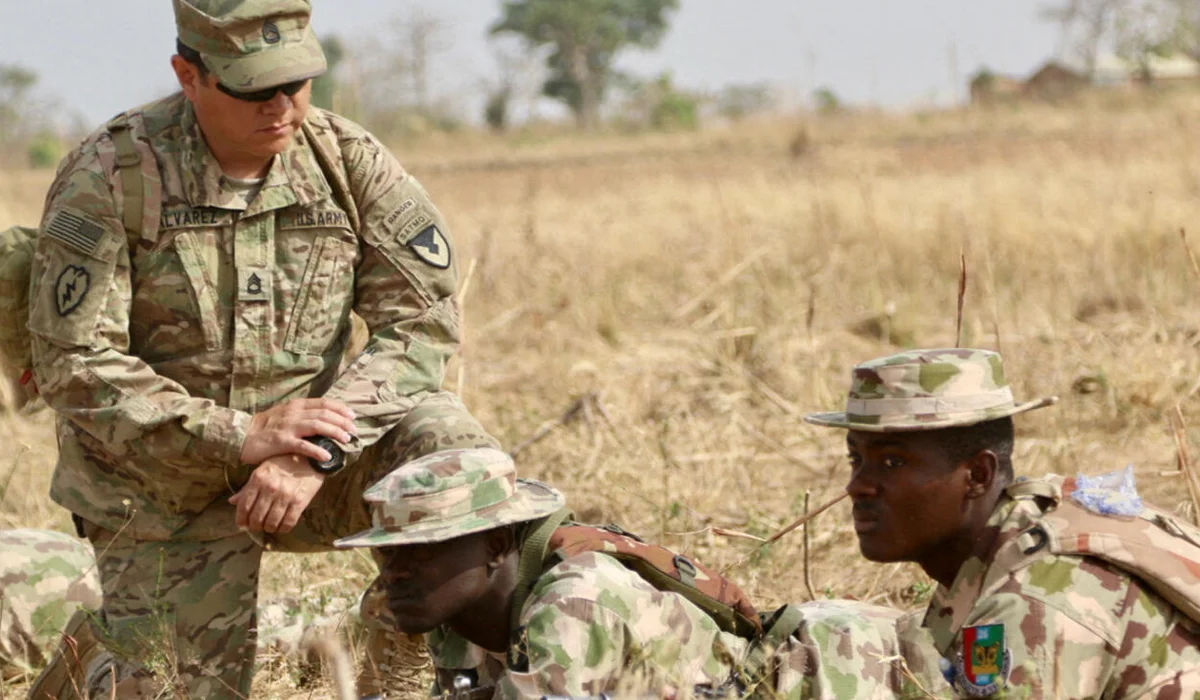
NEW DELHI: THE United States has sent 100 military personnel to northern Nigeria to train and advise local forces, as deadly threats rise from armed groups such as Boko Haram and ISIL (ISIS)-linked factions.
Samaila Uba, Nigeria’s Defence Headquarters spokesman, confirmed the US troops’ arrival in the northeastern area of Bauchi on February 16. He said they will provide “technical support” and “intelligence sharing” to help target and defeat “terrorist organisations”. The US also sent “associated equipment” to support the mission. Uba stressed that the US soldiers will not play a direct combat role, but will share technical expertise under the full command authority of Nigerian forces.
The US deployment follows an easing of tensions that flared between Washington and Nigeria late last year, when US President Donald Trump accused the country of failing to stop killings against Christians and threatened to intervene militarily. The Nigerian government has rejected Trump’s accusation, and analysts say people across all faiths, not just Christians, are victims of armed groups’ violence.
In December, US forces launched air strikes on ISIL-affiliated fighters in the country’s northwest. Last month, following discussions with Nigerian authorities in Abuja, the head of US Africa Command confirmed that a small team of US military officers were in Nigeria, focused on intelligence support.
Jihadi groups Nigeria is facing a protracted fight with dozens of local armed groups increasingly battling for turf, including the homegrown Boko Haram and its breakaway faction, the ISIL affiliate in West Africa Province (ISWAP).
There is also the ISIL-linked Lakurawa, as well as other “bandit” groups that specialise in kidnapping for ransom and illegal mining. Recently, the crisis worsened to include other fighters from the neighbouring Sahel region, including the Jama’at Nusrat al-Islam wal-Muslimin, which claimed its first attack on Nigerian soil last year. Several thousand people in Nigeria have been killed, according to data from the United Nations.