Blitz Bureau
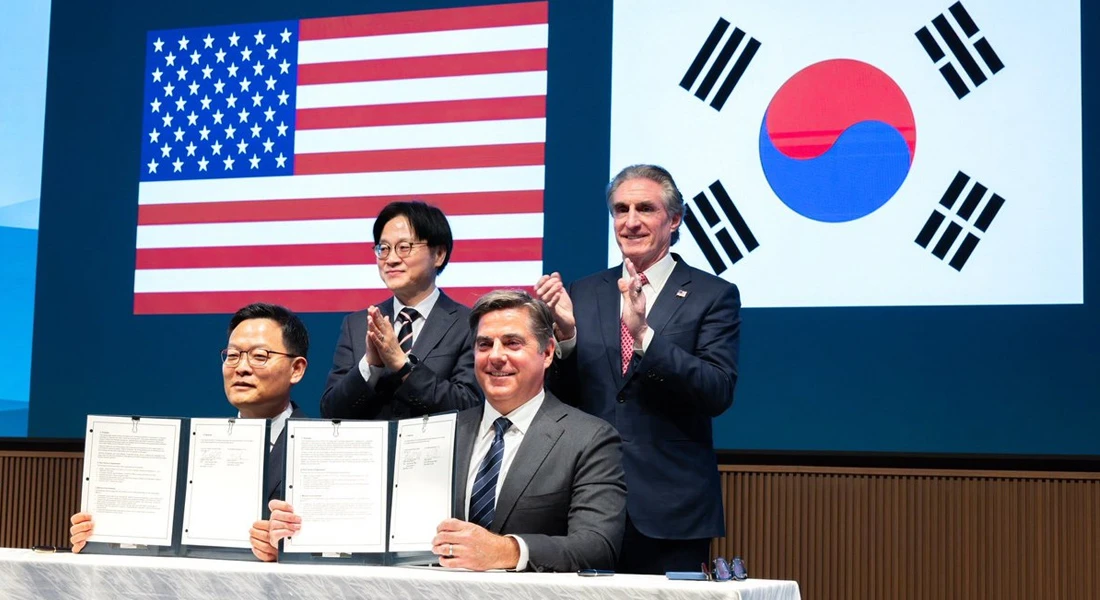
NEW DELHI: The United States has secured energy agreements worth $57 billion with Indo-Pacific partners, Interior Secretary Doug Burgum said in Tokyo last week.
The deals were finalised during the first Indo-Pacific energy security conference, led by the United States and attended by participants from across the region.
The deals involve a 20-year supply contract between Venture Global and South Korean Hanwha Aerospace for 1.5 million tonnes of liquefied gas and a deal between Terra Energy Center and Hyundai Heavy Industries for the supply of coal power plant equipment for a 1.25-GW power generation project in Alaska.
Burgum said more than 630 participants attended the conference, which brought together allies “from Australia and New Zealand all the way up to Japan.”
“This is President Trump’s energy dominance policy, which is about that we need to sell energy to our friends and allies so they don’t have to buy from adversaries, so they don’t have to be dependent on sources of energy that can be controlled or constrained by a terrorist regime,” Burgum said.
According to Burgum, the event was “oversubscribed” and included ministerial-level engagements with participating countries. Officials from multiple US agencies, including the Department of Energy, State Department, Commerce Department and the Department of the Interior, took part in discussions.
Burgum said leaders from several Pacific island nations, including three presidents, attended the gathering and expressed interest in strengthening energy ties with the US.
Such deals would have economic benefits within the United States while also supporting partner nations.
Strategic engagement
The Indo-Pacific region has become a focal point for US strategic and economic engagement, particularly in energy and supply chains. Washington has sought to position itself as a stable supplier of oil and gas amid concerns among allies over supply disruptions and geopolitical risks. The US is now seen as the No. 1 oil producer, the No. 1 gas producer and the top LNG exporter.
Energy exports have increasingly been used as a tool of foreign policy, especially in regions seeking to diversify away from politically sensitive or unstable sources of supply.