



Blitz Bureau
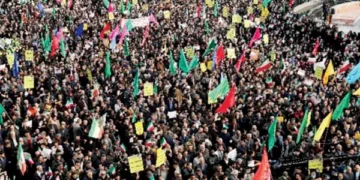
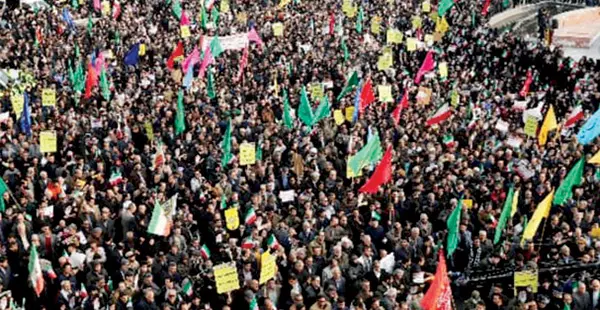
NEW DELHI: The Islamic Republic in Iran has been facing one of its gravest challenges since 1979 as the country is in the grip of violent protests and severe crackdown by the state across the country for the past two weeks. Around 2,000 people have been killed in the protests, an Iranian official told Reuters, amidst outpouring of protests and stray violence.
Adding to the stress on Iran’s clerical rulers, US President Donald Trump has repeatedly threatened military action over Tehran’s severe crackdown on the protests.
A White House official said “all options” were at Trump’s disposal to address the situation in Iran.
Yet, there are no signs of fracture in the Islamic Republic’s security elite that could bring an end to one of the world’s most resilient governments. Supreme Leader Ayatollah Ali Khamenei, 86, has survived several past waves of unrest. This is the fifth major uprising since 2009, evidence of resilience and cohesion even as the government confronts a deep, unresolved internal crisis, said Paul Salem of the Middle East Institute.
For that to change, protesters would have to generate enough momentum to overcome the state’s entrenched advantages: powerful institutions, a sizeable constituency loyal to the clerical rule, and the geographic and demographic scale of a country of 90 million people, said Alan Eyre, a former U.S. diplomat and Iran expert.
Iran’s layered security architecture, anchored by the Revolutionary Guards and Basij paramilitary force, which together number close to one million people, makes external coercion without internal rupture exceedingly difficult, said Vali Nasr, an Iranian-American academic and expert on regional conflicts and U.S. foreign policy.
“For this sort of thing to succeed, you have to have crowds in the streets for a much longer period of time. And you have to have a breakup of the state. Some segments of the state, and particularly the security forces, have to defect,” he said.
Sanctions have strangled the country’s economy with no clear path to recovery. Strategically, Iran is under pressure from Israel and the United States, its nuclear program degraded, its regional “Axis of Resistance” proxy armed groups weakened by crippling losses to allies in Lebanon, Syria and Gaza.
Rising prices
The recent protests began on December 28 in response to soaring prices, before turning squarely against clerical rule. The rial plunged to a record low against the US dollar in late December. On January 12, the rial was trading at more than 1.4 million to $1, a sharp decline from around 700,000 a year earlier in January 2025 and around 900,000 in mid-2025. The plummeting currency has triggered steep inflation, with food prices an average of 72 per cent higher than last year. Annual inflation is currently around 40 per cent.
The protests started with shopkeepers in Tehran’s Grand Bazaar who shuttered their shops and began demonstrating. It then spread to other provinces of Iran.