The Aadhaar ecosystem – often criticised for excessive paperwork, photocopies circulating through offices, and inconsistent verification practices – is on the verge of a quiet, but defining shift.
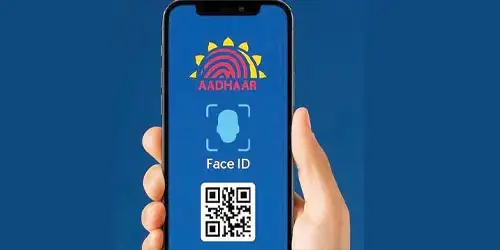
The Unique Identification Authority of India (UIDAI) is preparing to launch a next-generation mobile application that will allow residents to verify their identity through a secure QR code, replacing the decades-old habit of handing over paper copies of Aadhaar for everything from hotel check-ins to bank KYC.
The app, currently in its beta phase, marks the first major overhaul of Aadhaar’s offline verification system and comes at a pivotal moment for India’s digital governance framework. With the Digital Personal Data Protection (DPDP) Act coming into force, UIDAI’s objective is clear: limit data exposure, strengthen user consent, and make verification faster, safer and more transparent.
The leakage risk
For years, Aadhaar photocopies have been routinely collected by banks, schools, telecom companies, landlords, and government offices. Many of these copies end up in files, email inboxes, and local photocopy shops, creating a massive risk of leakage and identity theft.
UIDAI’s new app aims to end this practice. Instead of submitting physical or PDF copies, residents will be able to display a digitally signed QR code from the app –containing only the information required for that specific purpose. Both the user and the verifier interact through the app, and no data is shared without explicit, real-time consent.
Early-access documentation shows that the app will function as a digital ID wallet, enabling Aadhaar holders to store their credentials securely, decide what to disclose, and even provide proof of age – such as confirming whether they are above 18 – without sharing their full date of birth or address. This aligns Aadhaar squarely with the principles of the DPDP Act: purpose limitation, data minimisation, and consent-driven processing.
User-friendly process
The UIDAI has long embedded a secure QR code in Aadhaar documents. This QR code, digitally signed by UIDAI, contains a masked Aadhaar number, name, date of birth, gender, address, and photograph. It can be verified by authorised apps even without internet access. The new app transforms this capability into a user-friendly, fully digital process. Instead of scanning a static card, verifiers will scan a dynamic QR code generated directly from the user’s phone – eliminating the longstanding risk of forged Aadhaar photocopies. Digital signatures embedded within the QR immediately flag tampered or counterfeit identities, providing a stronger defence against fraudulent documents often encountered in property deals, rental agreements, and financial applications.
Kids’ biometric updates
Alongside the app, UIDAI is undertaking a significant behavioural initiative to streamline Mandatory Biometric Updates (MBU) for children at ages five and fifteen – critical milestones where new fingerprints, iris scans and photographs must be captured.
For this, UIDAI has partnered with Behavioural Insights Limited (BIT), a global consultancy known for its evidence-based behavioural nudges. The partnership will test interventions such as timed reminders, simplified messaging and intuitive workflows to ensure parents complete MBUs promptly. The app will support multiple Aadhaar profiles on a single device, making it easier for parents to manage children’s IDs for school admissions, health records, scholarship verifications and public benefits. With millions of MBUs still pending nationwide, this approach aims to ensure that children do not lose access to essential services due to outdated biometric data.
A global benchmark
India conducts billions of Aadhaar authentications annually through OTPs and biometrics. The new QRcode app does not replace those systems, it complements them by filling a longstanding gap – a secure, paperless, user-controlled method of offline identity verification. By unifying privacy, security, behavioural insights and digital convenience into a single platform, UIDAI is redefining how identity is verified. If implemented effectively, this new QR-based system could set a new benchmark for digital ID systems globally.
Benefits beyond convenience
The introduction of the QR-based Aadhaar app is not merely a technological upgrade, it represents a structural improvement of identity ecosystem in the country.
Stronger data security: The app reduces the uncontrolled sharing of physical copies, sharply lowering the risk of Aadhaar data being exposed or misused. Masked Aadhaar numbers, selective disclosure, and consentbased sharing put control back in the hands of individuals.
Robust anti-fraud framework: QR codes signed by UIDAI make it nearly impossible to forge Aadhaar credentials. Verification becomes cryptographic, not visual – protecting businesses and Government offices from fraudulent documents.
Faster, frictionless verification: In low-connectivity areas, offline verification through QR scanning allows banks, telecom companies, railway officials, and exam centres to authenticate residents quickly, without paperwork or delays. Age-gated verification: A simple ‘Yes/No’ confirmation on eligibility for age-restricted services allows gaming platforms, social media companies and event organisers to comply with regulations without accessing sensitive personal data.
Efficient data protection: Digital documentation cuts costs, improves audit trails, and supports compliance with data protection norms – creating a modern, streamlined verification chain across sectors.