Blitz Bureau
NEW DELHI: IRAN has been enforcing a multi-tiered system for clearing vessels through the Strait of Hormuz as nations try to replenish dwindling energy supplies throttled by the war. Despite US warnings against complying with Iran’s controls some shippers and governments are taking the risk.
The new Iranian mechanism includes a tiered system giving preference to ships linked to its allies Russia and China, followed by countries such as India and Pakistan with close ties to Tehran, and then government-to-government agreements.
Two European shipping sources said some vessels that aren’t covered by government-to-government deals are paying Iranian authorities upwards of $150,000 to secure safe passage through the Strait of Hormuz.
Ships are sometimes charged security and navigation fees, which vary according to cargo, two senior Iranian officials told Reuters. Ship owners’ willingness to deal directly with Iran despite the risks shows the degree to which the strait is under the Islamic Republic’s control, said Danny Citrinowicz, a former Israeli intelligence officer.
Outside of government agreements, the process to secure Iranian permission to transit involves a detailed vetting procedure conducted by the Islamic Revolutionary Guard Corps, Iran’s elite fighting force.
The IRGC reviews a socalled affiliation document supplied by a ship owner or operator and submitted through an intermediary, the sources said.
The IRGC requires ship owners to disclose details including the value of the ship’s cargo, the flag, its origin and destination, the registered owner and manager, and nationalities of the crew, according to documents sent to shipping industry sources by Iran’s Persian Gulf Strait Authority. The authority was set up in recent weeks to approve and tax vessel transits.
The vetting is carried out by Iranian state institutions including the Ports and Maritime Organization, the Ministry of Industry, Mine and Trade, the national shipping organisation, and the security overseer of the Supreme National Security Council, according to the three senior Iranian officials. The IRGC, which has broad oversight over Iranian security, is also involved in evaluating the ships.
Bilateral arrangements for passage include an additional step: Countries contact Iran’s foreign minister to request permission. The minister forwards these to the Supreme National Security Council, which includes the IRGC and representatives of Supreme Leader Mojtaba Khamenei, one of the officials said. For many vessels, the route out of the Gulf and through the Strait of Hormuz involves clearing multiple Iranian waypoints, often staffed by armed personnel, according sources.
Iron grip
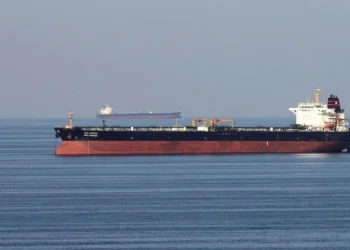
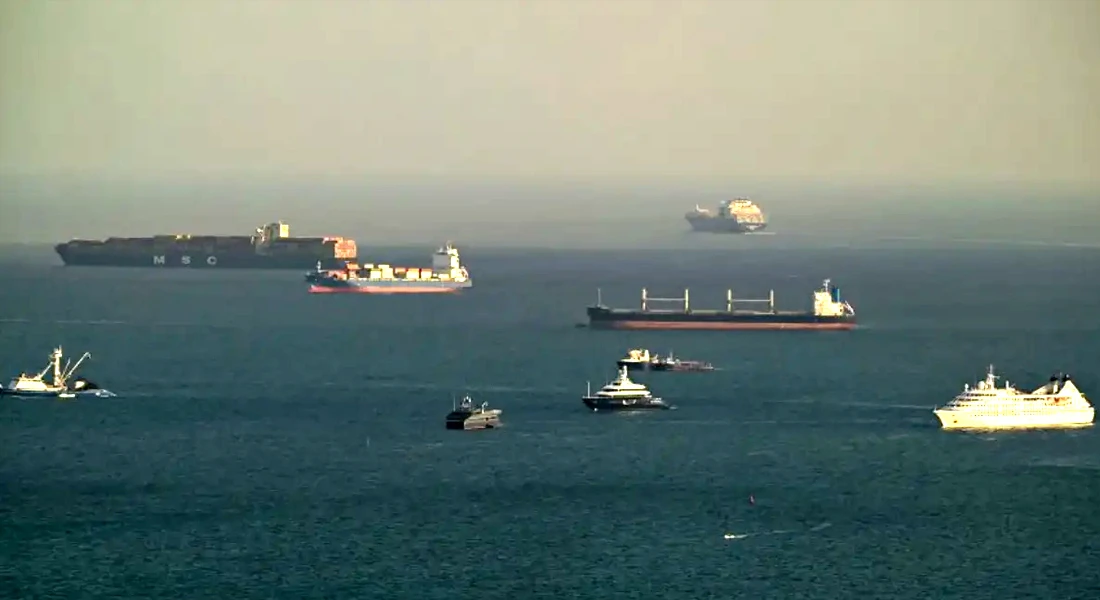
Iran’s grip on the Strait of Hormuz, the conduit for about a fifth of the global oil supply, has thrown the world economy into turmoil. Between April 18 and May 6, fewer than 60 ships made it through, according to unpublished analysis by US firm SynMax Intelligence. Before the war, some 120 to 140 ships traversed the strait on a typical day, about half of them oil tankers.
American citizens are prohibited from engaging in transactions with the Iranian government under US sanctions laws.