Blitz Bureau
NEW DELHI: How do you hold water from draining away? How do you turn a concrete slab into a sponge? It’s part ancient masonry, part high-tech material science. Here are the five key ‘tools’ being deployed across India in 2026:
Permeable pavement: Unlike standard asphalt, these ‘thirsty’ bricks allow water to seep through the gaps and into a gravel sub-base, preventing puddles before they start.
Bioswales: These look like simple roadside flowerbeds, but they are engineered channels filled with native vegetation and specialised soil that slow down and filter runoff.
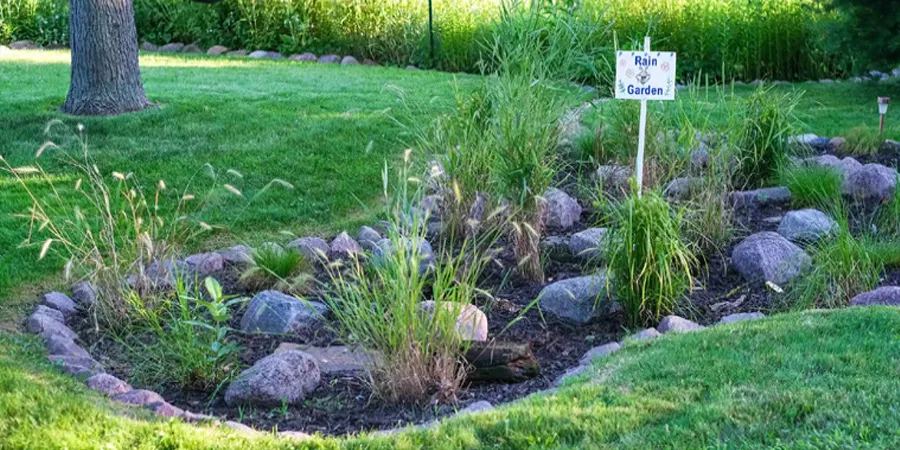
Rain gardens: Depressed areas in parks or residential societies that collect water during a storm, allowing it to soak into the ground over 24-48 hours.
Blue roofs: A 2026 trend in Mumbai and Delhi, these rooftops are designed to temporarily pond water during a storm, releasing it slowly into the drain system once the peak flow has passed.
Rejuvenated ‘temple tanks’: Cities like Madurai and Hyderabad are cleaning up ancient stepwells and temple ponds, reconnecting them to the city’s drainage network to act as massive, decentralised detention basins.