Blitz Bureau
NEW DELHI: MORE than three months after US strikes on Iran, the war in the Middle East is grinding on. The tenuous ceasefire has been violated by repeated flare-ups over the past two months. It is now coming the closest yet to blowing apart and sending the region back into full-scale war.
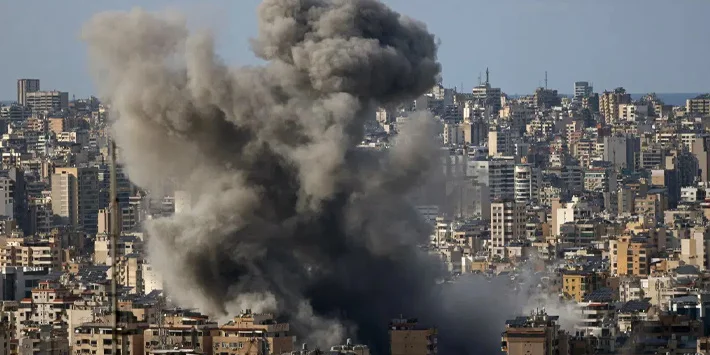
Israeli strikes against Hezbollah militants in Beirut over the weekend brought retaliation from their key sponsor, Iran, which launched its first attacks against Israel since the ceasefire was reached April 7. Israel responded with strikes on targets throughout Iran, while Iran’s proxies in Yemen and Iraq threatened to widen the war. The US and other mediators rushed to prevent the fighting from spiraling out of control.
Divergent interests Israel and the US remain locked in a standoff with Iran and Hezbollah to shape the future regional order, with each side convinced it is acting from a position of strength. US President Donald Trump and Israeli Prime Minister Benjamin Netanyahu, both facing key elections, have diverging interests.
Israel is heading into its first national elections since Hamas’ October 7, 2023, attack on Israel that triggered the region’s wars. Netanyahu is under pressure to project strength after repeatedly vowing to destroy Hezbollah.
Despite repeated wars and rounds of fighting, Israel has not been able to definitively end Hezbollah fire into northern Israel.
Hezbollah has rejected the ceasefires agreed to by Israel and the Lebanese government and said it will not cease fighting so long as Israel continues its strikes and its forces remain in southern Lebanon. The militant group has continued attacks on Israeli troops in southern Lebanon.
Iran’s retaliation against Israel over the Beirut strikes signaled its willingness to risk renewed war in the region for the sake of its interests in Lebanon and its most important regional ally.
If a full-scale war erupts again, Iran would face new damage to its economy as well as attacks on its military and senior leadership. But Iran’s leaders have sought to project confidence that the Islamic Republic and its economy can withstand the blow.
They have repeatedly risked the ceasefire falling apart over the past two months as they have stuck to a tough line in negotiations with the US.
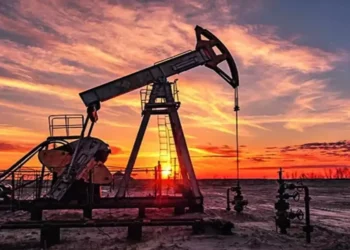
Iran is betting that its mass disruption of traffic through the Strait of Hormuz gives it strength to resist the US and Israel imposing their objectives in negotiations.
The US and Israel coordinated the strikes on Iran that kicked off the war. But public disagreements between Trump and Netanyahu have lately spilled into view. The war is shaping up as a risk for Trump’s Republican Party, with midterm elections in November.
In negotiations, the US has had as its top priorities a resolution of Iran’s nuclear programme and the free passage of shipping through the Strait of Hormuz.
Despite all the talks, there is little sign of Iran being prepared to make concessions on its enriched material and the future of its nuclear program.