Blitz Bureau
NEW DELHI: The Trump administration is proposing a new rule to keep hospitals from charging markups on discounted drugs for Medicare patients and says that could save consumers $1.1 billion next year, according to estimates obtained by The Associated Press.
A markup is the amount added to the cost of a product or service to determine its final selling price.
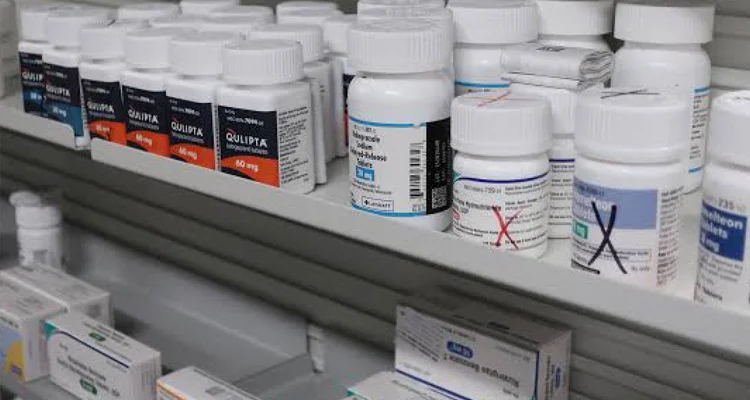
The rule would apply to hospitals that serve low-income patients under what is known as the 340B program, which lets hospitals buy outpatient prescription drugs at discounted prices. But in many cases, hospitals can bill insurers at rates that exceed those costs, allowing hospitals to keep the difference and resulting in higher costs to patients.
Under the proposed rule, the Centers for Medicare & Medicaid Services would change the formula for what hospitals participating in the program can get reimbursed, in an effort to cut costs for patients.
The 340B program was initially designed as a way for healthcare providers to stretch scarce federal resources to better serve more patients. But it has long been at the center of a lobbying battle between hospitals and pharmaceutical companies, with each side attempting to enlist lawmakers in maintaining or changing the benefit.
The administration gave a specific example of how the current system works for the prostate cancer drug Lupron Depot. Hospitals under the 340B program can acquire a dose for roughly $700, but they can receive about $4,000 in Medicare reimbursement for administering it and an additional $1,000 from the patient co-payment.
The proposed rule would cut by roughly 40% that amount that hospitals in the discounted drug program could be paid through Medicare programs.
Hospitals have reservation
The American Hospital Association said the proposed rule would compound the financial pressures its members face.
“These proposals will undermine the ability of hospitals to maintain essential services and protect affordable access to care for those who depend on the 340B program,” said Ashley Thompson, the group’s senior vice president for public policy analysis and development.
There is the risk that hospital systems could see their revenues decrease, which could have consequences in the communities they serve.