Blitz Bureau
NEW DELHI: Read Monday’s two big numbers together and a strategy comes into focus. On one side, a distant strait can put $3 or $4 on a barrel of oil in an afternoon and ripple straight into an Indian household’s budget. On the other, a record share of the country’s new vehicles ran on electricity in June. The first number is a vulnerability India inherited; the second is one it is choosing to build its way out of.
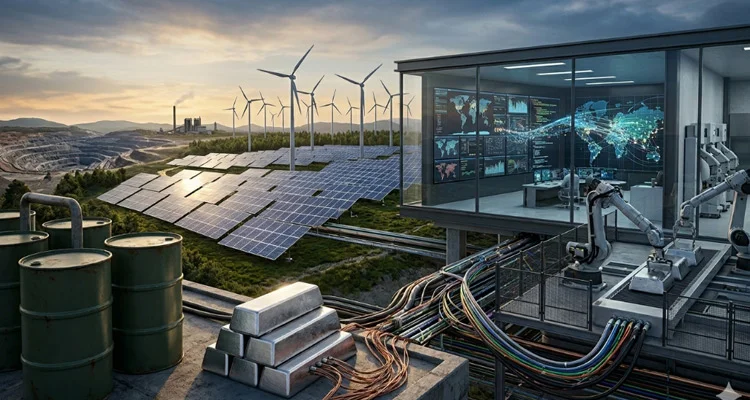
This is the deeper significance of the clean-energy push, beyond the climate headlines: it is an energy-security policy. Every unit of solar or wind added, every electric scooter and car sold, every litre of biofuel blended, shrinks the quantum of imported crude the economy must buy at whatever price the world sets that day. India has moved fast on the supply side too, expanding renewable capacity at pace and setting itself long-horizon targets for non-fossil power — the structural counterweight to the exposure the Hormuz scare exposed.
You cannot negotiate with a strait. You can, over years, need it less. The energy transition is how an import-dependent nation buys back its own resilience.
The Long View
The exposure: India imports most of the crude it consumes
The hedge: renewables + EVs + biofuels shrink the import bill
Signal: EVs crossed 12% of June vehicle sales — a record
Payoff: lower price risk, cleaner air, a domestic manufacturing base
The transition is not costless or automatic. It demands grid upgrades to absorb variable power, a domestic battery and solar-manufacturing base so one import dependence is not simply swapped for another, charging networks that reach small towns, and a fair deal for the workers and regions tied to today’s fossil economy. These are real engineering and social challenges, not slogans, and getting them right is the whole task.
The constructive, long-view read is that India has both the incentive and the momentum to see it through. The same crude shock that unsettles a trading day is the clearest argument for the patient work of electrification and clean power. Handled well, the energy transition turns a recurring vulnerability into a durable strength — and the barrels India never has to import become the truest measure of its progress.