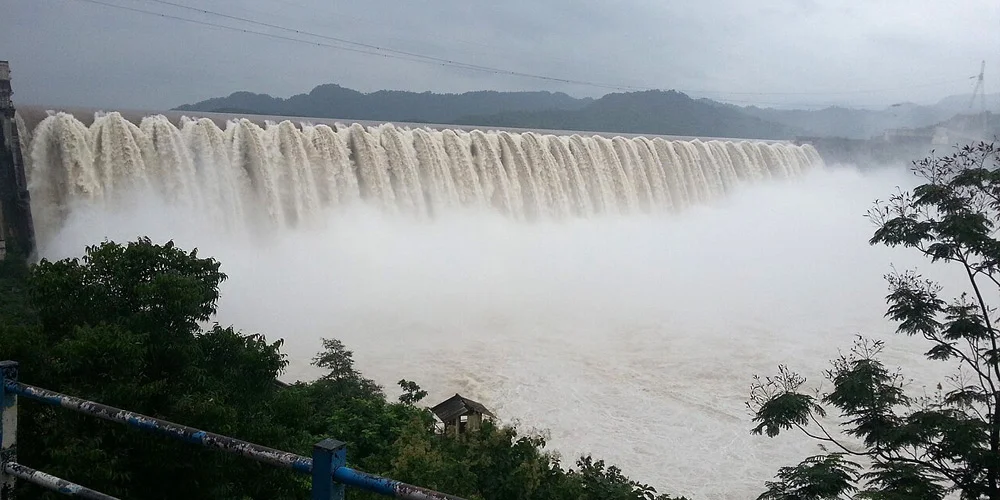
Every summer, a single question hangs over the world’s most populous nation: will it rain enough, and in the right places? That the monsoon can still move harvests, prices and rural incomes is a reminder that India’s deepest infrastructure challenge is not a road or a port but water — how to catch it when it comes, store it for when it doesn’t, and use every drop more wisely. A below-normal July forecast is less a crisis than an annual prompt to keep building the systems that make the rain matter less.
The structural facts are well understood. A large share of India’s farmland still depends directly on the monsoon, agriculture supports the livelihoods of hundreds of millions, and the country holds a modest share of the world’s fresh water for a very large share of its people. Groundwater, drawn hard in the grain belts, is the silent buffer that has masked many a weak monsoon — and the one most in need of husbanding for the decades ahead.
You cannot schedule the monsoon. You can, over years, need it less — through storage, efficiency and recharge. Water security is patience turned into policy.
The encouraging part is that the playbook is proven and already in motion: drip and sprinkler irrigation that grows more crop per drop, watershed programmes that revive village catchments, rainwater harvesting and the recharge of aquifers, tap-water connections that change rural life, and a gradual nudge toward crops matched to local water budgets. None is glamorous; together they are transformative, and each is a way of storing a good monsoon against a poor one.
The constructive, long-view read is that water is the arena where India’s development is quietly won or lost, and the direction of travel is right. The way forward is to press on with steadiness — pricing water so it is valued without burdening the poor, treating and reusing far more of it, and investing in storage and efficiency at the pace the century demands. Do that, and a below-normal July becomes a footnote rather than a fear — the surest sign of a nation that has learned to hold its own rain.