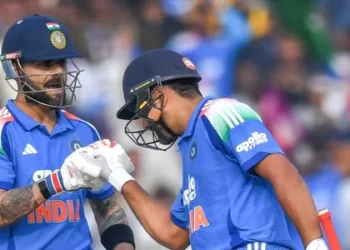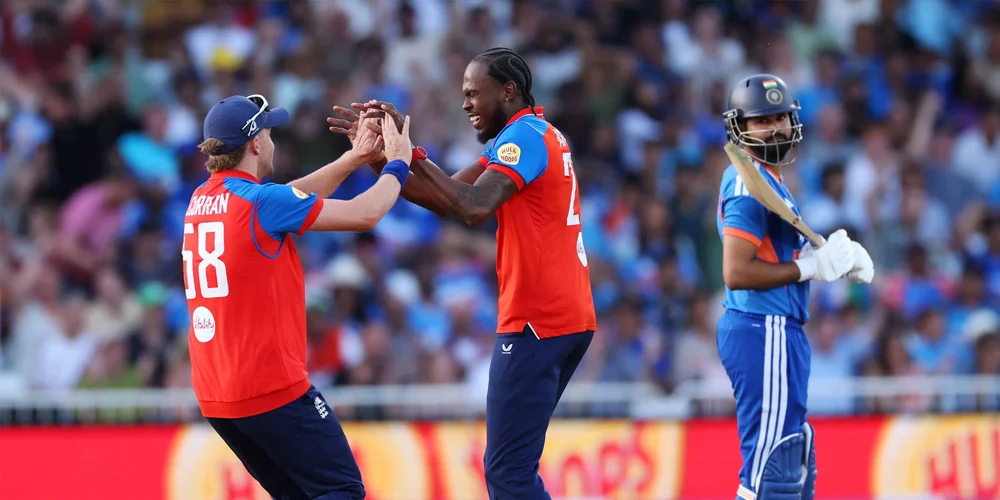
India’s tour of England reaches its turning point this afternoon. After a chastening Twenty20 leg that England swept 4–0, the teams switch to one-day cricket — India’s strongest white-ball suit — when the three-match ODI series opens at Edgbaston, Birmingham, at 3:30 pm IST. And India arrive reinforced: Rohit Sharma, Virat Kohli and Jasprit Bumrah all return for the 50-over format, folding hard-won experience back into a side captained by Shubman Gill.
The return of that senior core changes the tour’s mood. A top order that can call on Rohit, Gill and Kohli alongside Shreyas Iyer and KL Rahul, with Bumrah leading an attack of Kuldeep Yadav, Arshdeep Singh and Prasidh Krishna, is a very different proposition to the young T20 unit. England, fresh from their T20 sweep, name a strong side under Harry Brook built around Ben Duckett, Joe Root, Jos Buttler and Jofra Archer. Birmingham promises warm, sunny skies and a hybrid pitch offering early seam before it flattens for the batters.
Every touring side has a hard week; the good ones are defined by the reply. India have three ODIs, their best format, and their biggest names to write theirs.
Off the field, India’s culture beat has stayed lively. July has brought a steady flow of releases across languages, with Hindi titles taking close to half of the month’s collections so far and Telugu and Tamil films rounding out a genuinely multilingual market that keeps single screens and multiplexes working through the monsoon. It is the same lesson as the cricket, in a different key: breadth and depth sustain an industry.
The constructive read is that neither sporting resilience nor cultural vitality is luck; both are the yield of patient systems — coaching pathways and talent scouting on one side, a vast production and exhibition ecosystem on the other. Applied steadily, that model turns a hard cricketing fortnight into the base of the next winning side, and a busy July at the movies into a durable, job-rich industry.