Blitz Bureau
NEW DELHI: The season’s most important variable is rain, and this July it is arriving unevenly. The India Meteorological Department expects below-normal rainfall through the month — likely under 94% of the long-period average — in what is usually the wettest stretch of the southwest monsoon. It follows an unusually dry June, when the country received about 40% less rain than normal, one of the driest Junes in over a century.
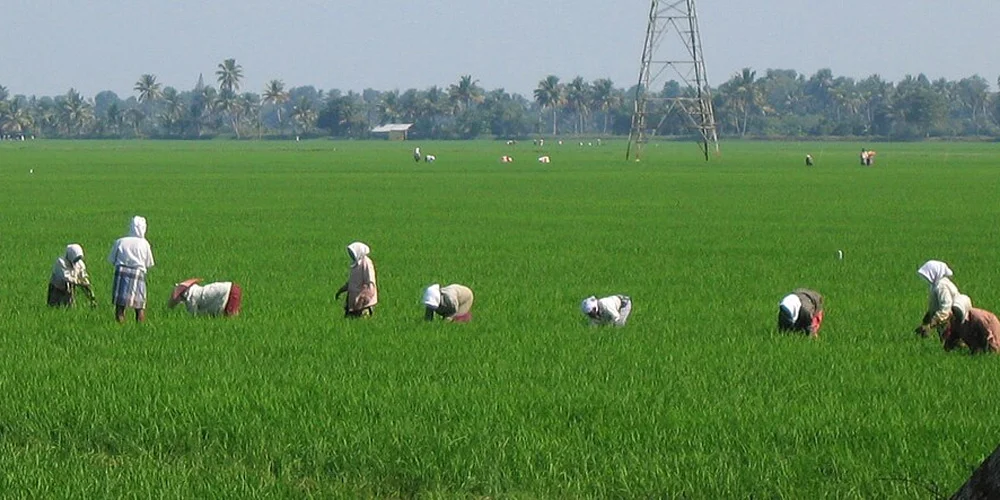
The picture, though, is not uniform, and that matters. The IMD expects normal to above-normal rain across parts of northwest, northeast and east-central India and the eastern peninsula, even as the plains of the northwest and the southern peninsula stay drier in the near term. For a country whose kharif sowing and reservoir levels hinge on distribution as much as totals, where the rain falls is as consequential as how much.
Distribution is destiny: After a dry June, a patchy July puts the spotlight on where the rain lands — and on the buffers that carry farmers through a lean spell.
A monsoon is never one number. It is a thousand local outcomes — and readiness is what turns a weak forecast into a manageable season.
At a Glance
• July outlook: below-normal rain likely, under ~94% of the long-period average
• June: ~40% below normal — among the driest Junes on record
• Uneven: normal-to-above-normal rain expected in parts of the north and east
• Watch: kharif sowing pace, reservoir storage, food-price pass-through
There is a real challenge here, and it links directly to the household budget: retail food inflation ticked up in June, and a thin monsoon can keep pressure on vegetables and pulses. But India enters this spell better cushioned than in the past — with buffer grain stocks, wider irrigation cover and an early-warning system that lets states and farmers plan around the forecast rather than be surprised by it.
The constructive way forward is preparation, not alarm. Aligning seed and fertiliser supply to the districts that need them, nudging farmers toward hardier, shorter-duration varieties where rain is scarce, and keeping water storage disciplined can carry the season. A patchy July is a test of the systems India has built for exactly this — and, handled well, a reminder of why the deeper investment in water security matters.