Blitz Bureau
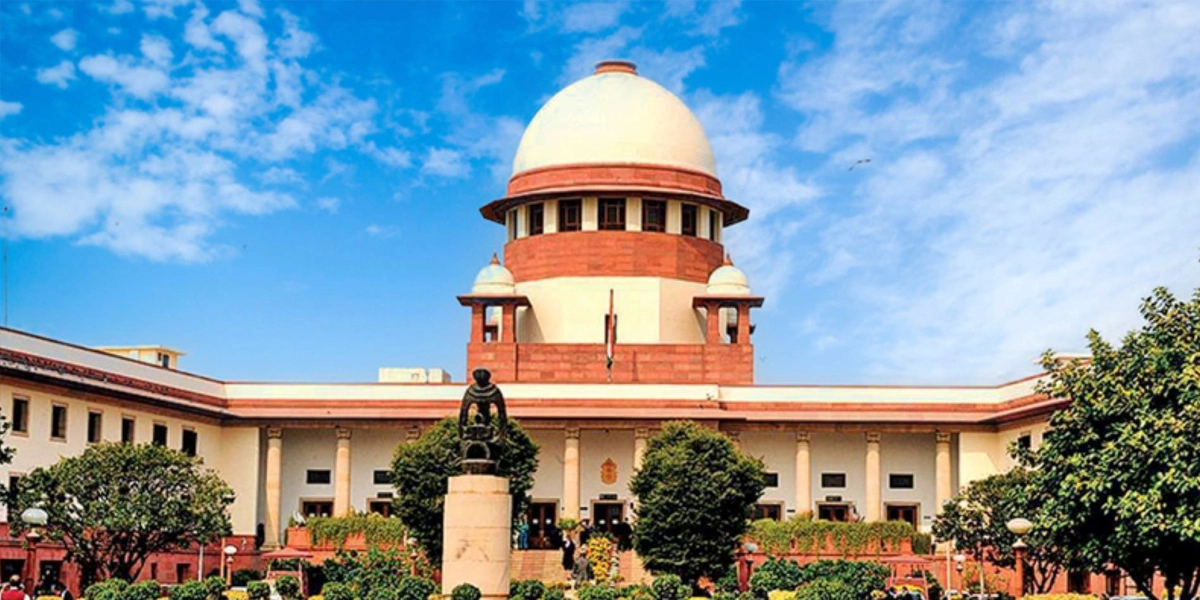
NEW DELHI: One of the day’s most consequential measures is also one of its quietest. The Supreme Court (Number of Judges) Amendment Bill, introduced in the Lok Sabha by Law Minister Arjun Ram Meghwal, would raise the apex court’s sanctioned strength from 34 judges to 38, including the Chief Justice of India — converting into permanent law a change first made through an ordinance. It is a modest-sounding number with a large purpose: giving the country’s highest court more hands to clear its docket.
The context is the perennial challenge of pendency. India’s courts, the Supreme Court included, carry a heavy backlog of cases, and a larger sanctioned bench lets the court sit in more constitution and division benches at once, hear more matters and, over time, shorten the wait for a hearing. Four additional judges will not, on their own, dissolve years of accumulated cases — but they widen the apex court’s capacity at the top of a system millions of citizens depend on for the final word.
Capacity at the apex: The bill would lift the Supreme Court’s sanctioned strength from 34 to 38 judges, including the CJI — a step aimed at helping the court hear more matters and ease pendency.
Justice delayed is justice diluted. More judges at the top are not the whole answer — but they are a real part of it.
At a Glance
• Bill: Supreme Court (Number of Judges) Amendment Bill, 2026
• Change: sanctioned strength 34 → 38 judges (including the CJI)
• Route: introduced in the Lok Sabha to replace an ordinance
• Aim: more benches, more hearings, lower pendency at the apex court
Strengthening the judiciary’s capacity is, at its heart, institution-building — the sort of investment whose returns compound quietly across a decade. A well-staffed apex court can settle unsettled questions of law faster, giving citizens, businesses and lower courts the clarity they need to move forward, and easing the pressure that pendency places on the whole justice system beneath it.
The constructive way forward is to pair the higher numbers with the process that makes them count: filling the new seats promptly through a smooth appointments pipeline, and matching bench strength with case-management reform, technology in the registry, and steady attention to vacancies in the high courts and the subordinate judiciary where the bulk of cases actually sit. Handled with that follow-through, a four-seat increase becomes more than an arithmetic change — it becomes a faster, more accessible court for the people it serves.