Blitz Bureau
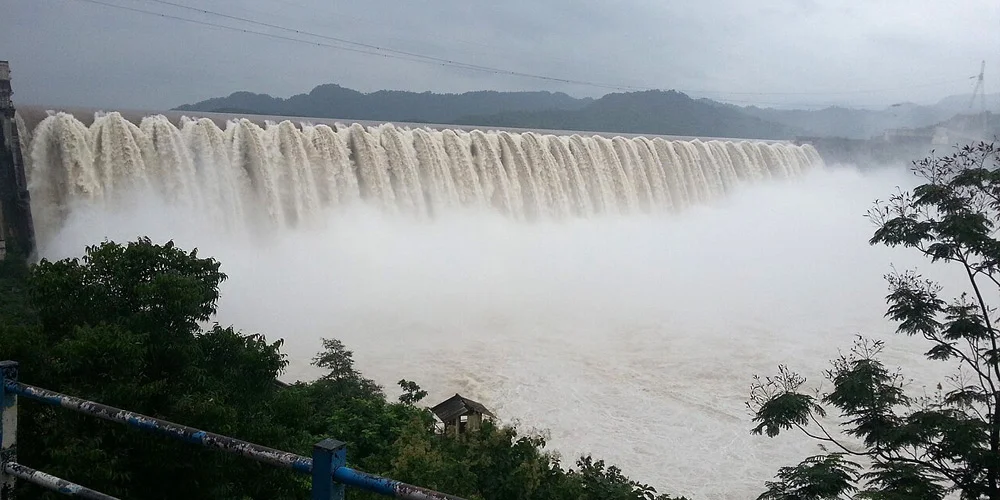
NEW DELHI: The rain that has sat over the northern mountains is not moving on quickly. The India Meteorological Department has kept a red warning in force for parts of Himachal Pradesh, with very heavy to extremely heavy falls capable of triggering landslides, flash floods and road closures, and has flagged heavy rain across Uttarakhand too — with the active spell now forecast to persist across both hill states until around July 26. On the plains, Delhi and its neighbours remain under a gentler yellow alert for showers, thunder and lightning, part of a wider band of heavy-rain warnings stretching across more than a dozen states.
Officials are working the forecast rather than chasing it. River levels are being watched in the hill valleys, disaster-response teams are pre-positioned, and travel advisories are out for the pilgrimage and tourist routes that thread the mountains. With the system expected to hold for several more days rather than pass overnight, the emphasis has shifted from a single peak to sustained vigilance — keeping highways clear, drains flowing and residents informed through a longer stretch of wet weather.
A longer watch: IMD’s red warning for Himachal and heavy-rain alerts for Uttarakhand now run toward July 26, with Delhi-NCR on yellow — response teams pre-positioned for a sustained spell.
A monsoon that lingers is both a gift and a test — filling the reservoirs while asking the hills to hold.
At a Glance
• Red warning: very heavy to extremely heavy rain over parts of Himachal Pradesh
• Also heavy: Uttarakhand — rising rivers and landslide risk in the hills
• Duration: active spell forecast to persist to around July 26
• Plains: Delhi-NCR yellow alert; heavy-rain warnings across 13+ states
It is worth holding both truths together. This is the rain that recharges reservoirs, wets the soil for the kharif crop that feeds the country and refills the aquifers a long summer drew down; a strong, well-spread monsoon is among the most welcome things the economy can receive. The task is to capture that benefit while blunting the sharp edge of the same weather — the sudden inundation of a hill town, the slip across a highway, the swollen river downstream.
The constructive read is that India’s early-warning system has grown quietly more capable, and a longer spell is exactly what it is built for. The way forward is to keep the warning chain reaching the last village by phone and siren, hold response units in place through the full stretch rather than only at the forecast peak, and keep investing in drainage, embankments and slope stabilisation. Handled with that steadiness, even a fortnight of fierce rain remains what the monsoon has always been for India — a resource to be harvested safely rather than a hazard merely endured.