Blitz India Business
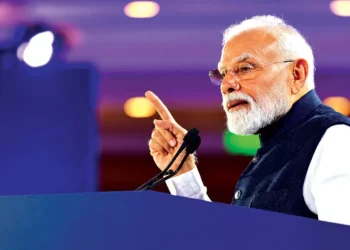
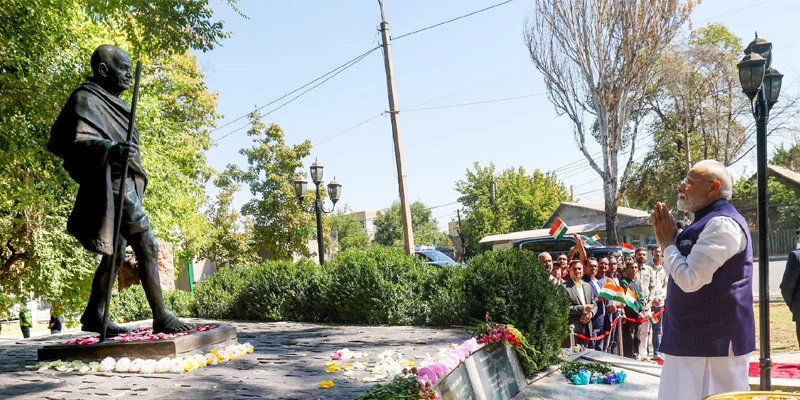
NEW DELHI: Prime Minister Narendra Modi’s strong message on terrorism at the Shanghai Cooperation Organisation (SCO) summit in Bishkek was aimed squarely at countries that use terrorism as an instrument of policy. Coming in the presence of Pakistan Prime Minister Shehbaz Sharif and Chinese President Xi Jinping, the remarks underlined India’s priority – terrorism cannot be fought selectively.
“We must send a strong message to countries that use terrorism as an instrument of policy and provide safe haven and support to terrorists,” PM Modi said, stressing that terrorism could never be a strategic asset. He rejected “double standards” and called for a comprehensive response targeting the terrorist ecosystem.
Security cooperation
The message found a clear echo in the Bishkek Declaration, adopted at the close of the summit. The document reaffirmed the SCO’s commitment to combating terrorism, separatism and extremism and stressed the need to counter the cross-border movement of terrorists. For New Delhi, this places its concerns over terror financing, safe havens and cross-border terrorism within an SCO consensus.
The declaration also strengthens security cooperation through arrangements for a Universal Centre for Countering Challenges and Threats to the Security of SCO Member States. Cooperation against organised crime, narcotics and transnational threats was also expanded.
But Bishkek was about more than terrorism. PM Modi’s engagement with Xi and Russian President Vladimir Putin highlighted India’s balancing act among major powers. The brief Modi-Xi interaction was significant because it kept the India-China dialogue alive, while the Modi-Putin meeting covered defence, energy, trade and other strategic issues.
For India, the larger long-term opportunity lies in Central Asia. The SCO provides New Delhi a platform to engage simultaneously with Kazakhstan, Kyrgyzstan, Uzbekistan and other regional states, despite the geographical constraint posed by Pakistan and China’s substantial economic presence.
The summit also reflected India’s effort to expand the SCO’s agenda beyond security into climate, energy conservation, Artificial Intelligence, technology and cultural cooperation
Promoting connectivity
Connectivity remains a key Indian priority. The declaration’s emphasis on respecting sovereignty and territorial integrity while promoting connectivity supports New Delhi’s position on infrastructure projects passing through disputed territories.
Energy is another important emerging pillar. India’s engagement with Central Asia increasingly encompasses uranium, critical minerals, energy security, trade and connectivity, with Uzbekistan particularly important to India’s civil nuclear ambitions.
The summit also reflected India’s effort to expand the SCO’s agenda beyond security into climate, energy conservation, Artificial Intelligence, technology and cultural cooperation. The decision to make English an official and working language and recognition of India-led youth and civilisation initiatives add to New Delhi’s influence. It also gives New Delhi greater room to pursue its interests without choosing sides in the power competition.
The Bishkek Declaration, therefore, represents more than diplomatic symbolism. It shows India using the SCO to place terrorism at the centre of regional security while simultaneously advancing its strategic, economic and energy interests across Central Asia.