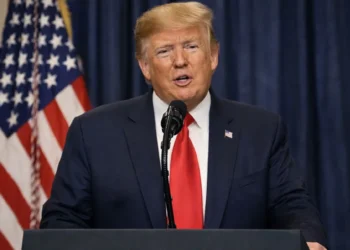
US President Donald Trump has signed the Russia sanctions Bill, according to a statement from the White House. The US expects the legislation, officially known as ‘Lindsey O. Graham Sanctioning Russia Act of 2026’, to give it financial leverage over Moscow and its ongoing war efforts in Ukraine.
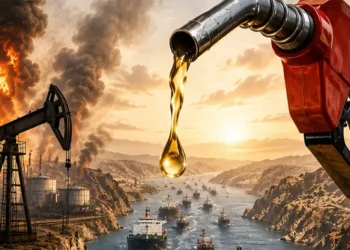
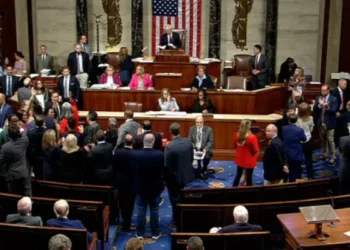
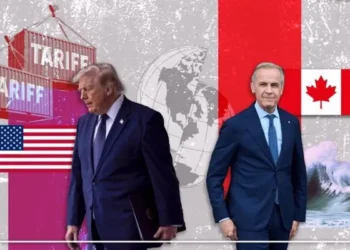
Under the new law, the President gets authority to slap 100 per cent tariffs on countries purchasing Russian crude oil, directly threatening major buyers like China and India The US House of Representatives on September 16 advanced legislation that would give Trump sweeping new powers to impose tariffs of up to 100 per cent.
The legislation is intended to squeeze the financial lifelines sustaining Russia’s war against Ukraine. The centerpiece of the measure would attack Russia’s energy sector.
Named for Senator Lindsey Graham, the South Carolina Republican who died in July after spending more than a year building support for the bill, it would also impose sanctions on Russian officials, oligarchs and financial institutions. It was approved 262 to 159, clearing it for Trump.
Despite the strong bipartisan backing for punishing Russia, 152 Democrats opposed the legislation, contending that it gave too much new tariff authority to a president who has already gone around Congress repeatedly on trade matters. The legislation includes a five-year extension of sanctions targeting Iran’s energy and weapons sectors.
Democrats’ stand
Some Democrats who have been among Ukraine’s most vocal supporters balked at the tariff provisions, particularly after the Supreme Court curtailed some of Trump’s previous efforts to impose tariffs without explicit authorization from Congress. They warned that the president could use the new trade powers more broadly than Congress intended. Supporters countered that the legislation explicitly restricts the new tariff authority to countries purchasing Russian energy or facilitating sanctions evasion, and maintained that the tariffs were essential because previous penalties had failed to sufficiently choke off Moscow’s energy revenues.