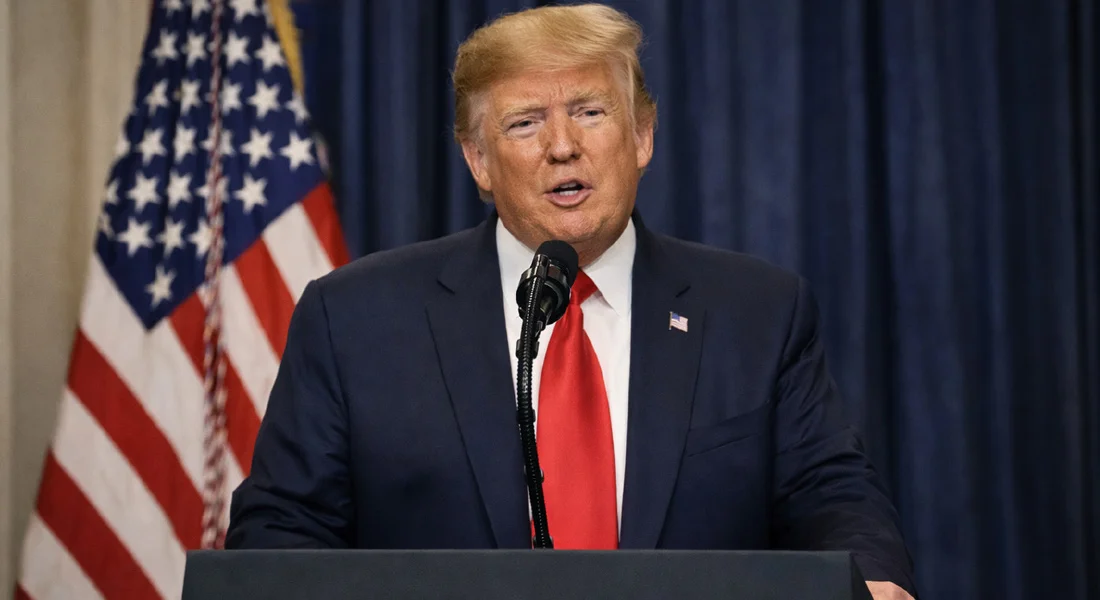
The sweeping gains secured by the Democratic in the US midterm elections have dealt President Donald Trump a political setback, handing the party control of both the House of Representatives and the Senate. For Trump, the result means a more difficult final two years in office. For India, it opens a period of uncertainty in a relationship of strategic importance.
Immediate concern
The verdict reflected voter discontent over the cost of living, tariffs and the US war with Iran. From January 2027, Democrats will command congressional committees, control the legislative agenda and wield oversight tools. They can investigate administration decisions, scrutinise spending and block or delay presidential nominees. The result is likely to constrain Trump’s domestic agenda, complicate budget negotiations and expose his administration to sustained congressional scrutiny in an increasingly divided Washington.
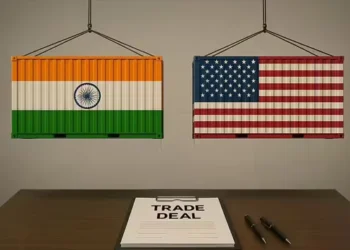
For New Delhi, trade is an immediate concern. The United States is a major market for Indian goods and services, and Trump’s tariff policy has unsettled exporters. Democratic control of Congress will increase scrutiny of tariffrelated costs and could encourage a more measured debate. But an early rollback is unlikely. Much of the authority to impose duties rests with the executive branch, and Democrats lack the numbers to override a presidential veto. Indian businesses must prepare for continued uncertainty.
Much of the authority to impose duties rests with the executive branch, and Democrats lack the numbers to override a presidential veto. Indian businesses must prepare for continued uncertainty
Immigration is another sensitive issue. Restrictions on work visas and uncertainty surrounding H-1B rules affect Indian professionals, students and technology companies. A Democratic Congress could press for greater oversight of enforcement and due process, but cannot compel the administration to abandon its restrictive approach. The interests of Indian workers remain tied to the wider American debate over jobs, wages and immigration.
Verdict reminder
Strategic ties are not built on one administration alone. Cooperation in defence, critical technologies, semiconductors, space and the Indo-Pacific has support across sections of both parties, driven by shared concerns about China’s influence. Congressional scrutiny could reinforce the importance of stable partnerships. India will need to engage Democratic leaders, committee chairs and lawmakers as actively as it has cultivated the White House and Republican allies. A politically constrained Trump could seek to project authority more assertively abroad, even as Congress questions the costs and objectives of US military involvement.
The war with Iran has contributed to energy-market anxiety. Any escalation could push up oil prices, complicate India’s energy security and raise shipping and insurance costs. The midterm verdict is not a referendum on India-US relations, nor does it automatically signal a change in Washington’s policy towards New Delhi. It is a reminder that American politics reshapes the conditions in which diplomacy operates. India must avoid over-reliance on personal ties, diversify its economic partnerships and build durable bipartisan support. Strategic patience and political outreach will matter as much as summit diplomacy.