
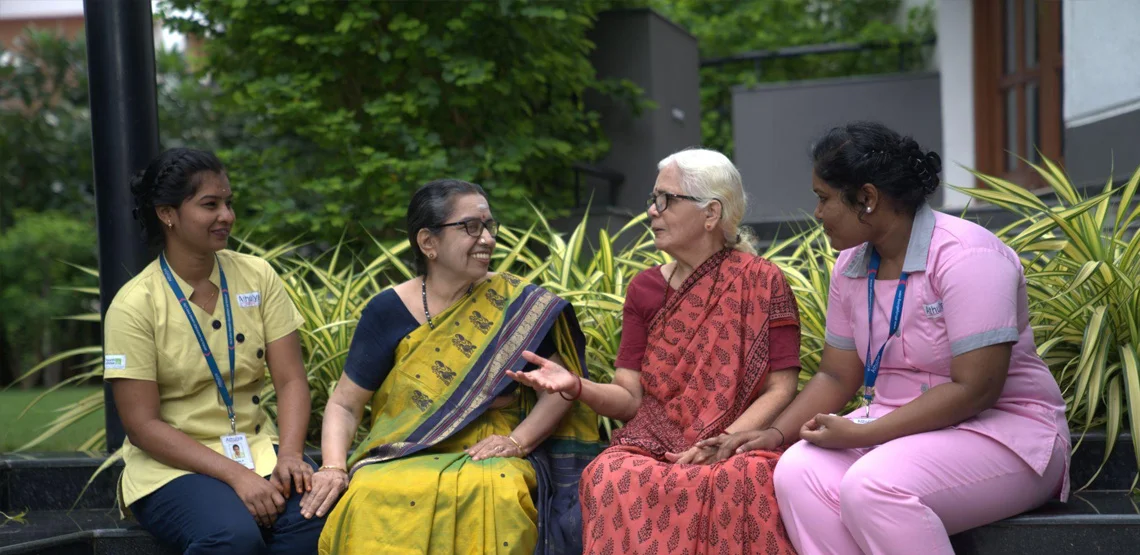
India is ageing, but its social security system has yet to acknowledge the challenge. While the country celebrates its demographic dividend, millions of senior citizens are being left behind. After contributing to families and nation-building, they face healthcare costs, inadequate pensions, loneliness and insecurity.
The numbers underline the urgency. The UNFPA’s India Ageing Report 2023 estimated that Indians aged 60 and above numbered 149 million in 2022, or 10.5 per cent of the population. Their share was projected to reach 20.8 per cent, or 347 million, by 2050.
More recent Government projections put the elderly population at 230 million by 2036, up from 100 million in 2011, with its share rising from 8.4 to 14.9 per cent. This demands action. Healthcare is a major concern. Age brings chronic ailments and frequent hospital visits.
Quality care remains expensive, particularly for those without insurance or a dependable pension. Medical costs can exhaust savings. Financial insecurity compounds the problem. Much of India’s workforce, especially in the informal sector, has no assured pension. Millions depend on family members or modest Government assistance that falls short of basic expenses. Changing family structures and migration have weakened traditional support.
Isolation is equally disturbing. Children living in distant cities or overseas leave many elderly people alone, increasing their vulnerability to neglect, depression and financial fraud. Digital banking also exposes the unfamiliar to new crimes. Policy must move beyond announcements.
Healthcare is a major concern. Age brings chronic ailments and frequent hospital visits
Under the Indira Gandhi National Old Age Pension Scheme, the Centre’s contribution remains just Rs 200 a month for eligible people aged 60-79 and Rs 500 for those aged 80 and above; states may add to this. These amounts need inflation-linked revision. Eligibility should be widened, and enrolment and payments made accessible without repeated digital formalities.
The Government has extended Ayushman Bharat health cover of up to Rs 5 lakh annually to everyone aged 70 and above. It must ensure cashless treatment, hospital participation and help with enrolment and claims. Primary health centres should offer geriatric consultations, screening for chronic diseases and dementia, and home-based care for patients unable to travel.
Every district should have a senior-care centre offering day-care, counselling, legal aid and digital assistance. Police should maintain registers of vulnerable seniors and conduct welfare visits. Banks must provide rapid fraud-reporting and transaction-freeze mechanisms. States must make tribunals under the Maintenance and Welfare of Parents and Senior Citizens Act, 2007 accessible, with fixed, publicly reported disposal deadlines and free legal support.
Respect for the elderly cannot remain confined to speeches about family values. A society is judged by how it treats its elders. Caring for older citizens is not charity; it is a measure of India’s humanity.