Blitz Bureau
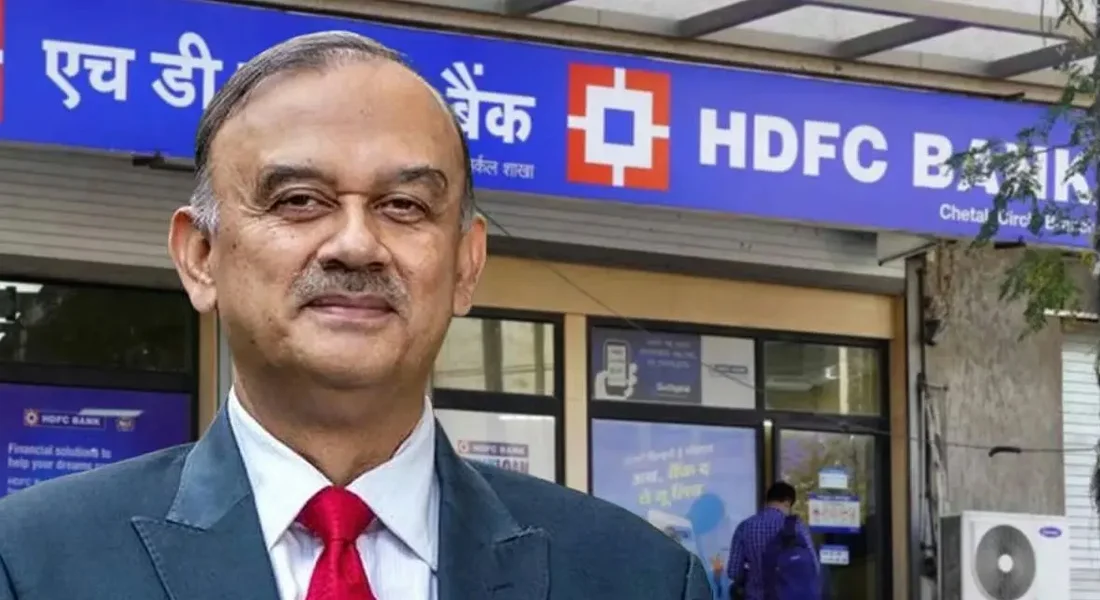
NEW DELHI: The sudden resignation of HDFC Bank Chairman Atanu Chakraborty triggered a sharp market reaction on March 19, wiping out more than Rs 1 lakh crore in investor wealth within hours and raising questions about governance at India’s largest private lender, according to a report in The Hindustan Times.
Shares of the bank plunged nearly nine per cent in early trade, hitting a fresh 52-week low after the announcement late on March 18. The stock opened at Rs 770 and dragged down broader indices, with HDFC Bank alone shaving hundreds of points off the benchmark Nifty 50.
The sell-off followed Chakraborty’s abrupt exit after he cited ethical concerns over certain practices within the bank that he said conflicted with his personal values.
In a resignation letter dated March 17, Atanu Chakraborty wrote that “certain happenings and practices within the bank, that I have observed over the last two years, are not in congruence with my personal values and ethics.” He clarified that there were no other reasons behind his decision.
In a resignation letter dated March 17, Atanu Chakraborty wrote that “certain happenings and practices within the bank, that I have observed over the last two years, are not in congruence with my personal values and ethics.” He clarified that there were no other reasons behind his decision.
Speaking after stepping down, Chakraborty stressed he was not alleging wrongdoing at the bank. “I am not pointing out any wrongdoings at the bank. My ideologies did not match with the organisation,” he said.
A former finance ministry bureaucrat, Chakraborty joined HDFC Bank’s board in May 2021 and was reappointed in 2024 through May 2027. During his tenure, the bank completed its $40-billion merger with HDFC Ltd, creating a financial services giant and making it the country’s second-largest bank.
To ensure continuity, the Reserve Bank of India approved the appointment of HDFC group veteran Keki Mistry as interim part-time chairman for three months starting March 19.
Mistry sought to calm investor nerves, saying there were no governance or operational issues flagged during board discussions.
“Based on our discussions, there were no specific operational or other issues that have been highlighted,” he said. He also dismissed speculation of internal conflict, adding there were “no power struggles within the bank.”
Deputy Managing Director Kaizad Bharucha will take on additional responsibilities during the transition.
The RBI also issued a statement backing the bank and seeking to reassure stakeholders.
The central bank said HDFC Bank remains a Domestic Systemically Important Bank (D-SIB) with sound financials, a professionally run board and a competent management team.
It added that its periodic assessments show “no material concerns on record as regards its conduct or governance.” The regulator also noted the bank remains well-capitalised with sufficient liquidity.
While the market reaction was sharp, several analysts said the correction may be excessive.
Brokerage Macquarie noted that HDFC Bank’s fundamentals remain strong with healthy returns on assets, though governance concerns could weigh on the stock until more clarity emerges from the board. The firm also flagged uncertainty around CEO Sashidhar Jagdishan’s reappointment as a potential overhang.
Wealth and investment analyst Deven Choksey described the fall as a move into “deep value” territory, while Ashika Capital called the correction a potential “buy on dips” opportunity.
Most analysts said the resignation was not material to the bank’s fundamentals but urged the board and regulators to provide greater disclosure about the concerns that led to Chakraborty’s exit.