Blitz Bureau
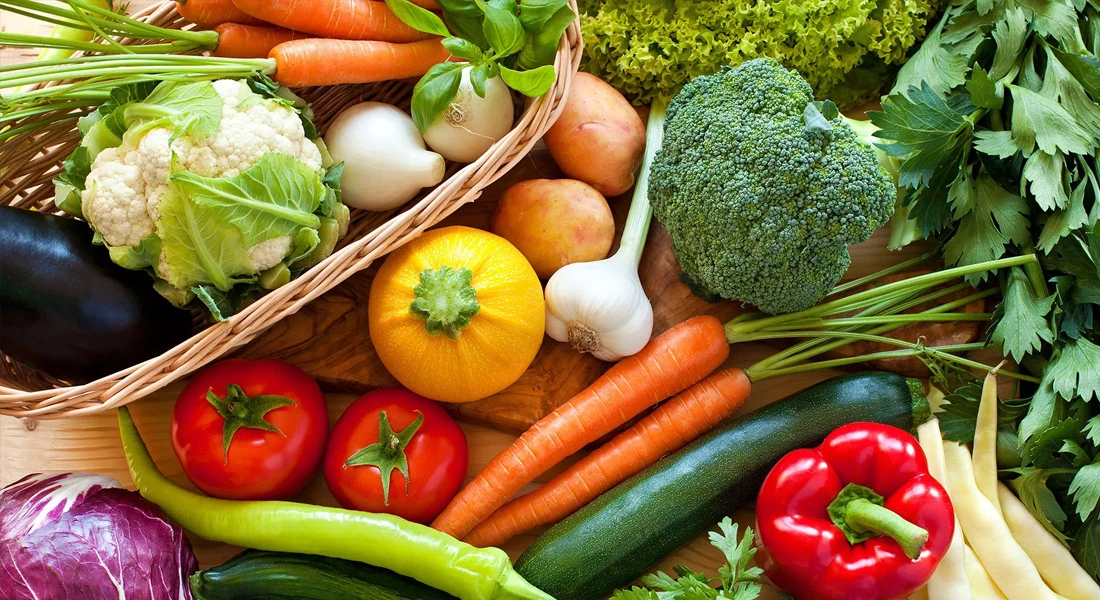
NEW DELHI: The cost of living ticked up in June, but stayed within the range the country has come to expect. Retail inflation, measured by the Consumer Price Index, rose to 4.38% — a touch above the Reserve Bank of India’s 4% target for the first time in some 17 months, yet comfortably inside the central bank’s 2%–6% tolerance band. The main mover was the kitchen: food inflation climbed to about 5.32%, led by a sharp seasonal jump in vegetables such as tomatoes, alongside firmer global energy prices that lifted transport costs.
Context keeps the number in proportion. India spent much of the past year and a half with inflation at or below target, so a single print just above 4% is a nudge, not a lurch. The RBI, under Governor Sanjay Malhotra, has held its policy rate steady and signalled patience — watching for any second-round effects of costlier food and fuel before drawing conclusions, and stressing that it is premature to talk of rate action while price pressures remain narrow rather than broad-based. Growth, meanwhile, has stayed resilient, which gives policymakers room to wait and watch.
The kitchen leads: June’s 4.38% inflation was driven mainly by a seasonal spike in vegetables and firmer fuel costs — still inside the RBI’s 2–6% band, with the monsoon set to ease food prices.
Inflation is the tax no one votes for, and the number every household feels. A reading just above target is a signal to watch closely — not a cause for alarm.
At a Glance
• June CPI: 4.38%, just above the RBI’s 4% target
• Band: still well inside the 2%–6% tolerance range
• Driver: food inflation ~5.32%, led by vegetables; firmer fuel costs
• Policy: RBI holds rates, watching for second-round effects
For households, the read-through is practical. Much of June’s rise sits in vegetables, the most seasonal and fast-moving part of the basket — prices that a good, well-spread monsoon can cool within weeks as fresh supply reaches the mandis. The steadier core of the index, stripped of volatile food and fuel, has stayed contained, which is why economists describe the uptick as manageable rather than entrenched.
The constructive read is that India’s inflation story remains one of the more stable among large economies, anchored by a credible central bank and a widening safety net for the poorest households. The way forward is on the supply side: stronger cold chains and storage to smooth the vegetable cycle, steady food-grain buffers, and the clean-energy build-out that, over time, loosens the grip of imported fuel on domestic prices. Handled with that patience, a small step up in June reads as the system doing its job — flagging pressure early, so it can be managed before it spreads.