Blitz Bureau
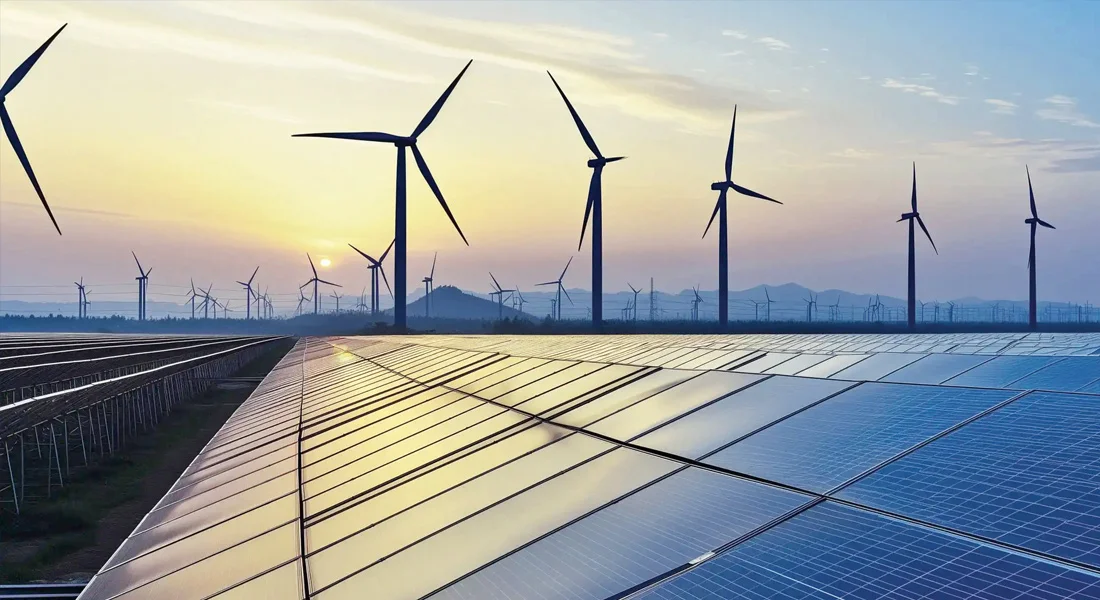
NEW DELHI: India added a record 55.3 gigawatts of non-fossil power capacity in 2025–26, its largest annual build ever and nearly double the previous year, led by about 44.6 GW of new solar. The surge has lifted installed solar capacity to roughly 157 GW and pushed non-fossil sources past 42% of the country’s total power capacity.
The scale places India among the world’s three largest holders of renewable-energy capacity. Behind the headline megawatts, a green-hydrogen push is moving from paper to projects under a mission backed by a ₹19,744 crore outlay, aimed at producing five million tonnes of green hydrogen a year by 2030 — a fuel that could clean up refining, fertiliser and heavy industry.
Adding capacity is the visible half of the energy transition — the quieter test is grid, storage and transmission keeping pace so clean power is there when it’s needed.
At a Glance
- FY26 additions: 55.3 GW non-fossil (record; led by ~44.6 GW solar)
- Solar total: ~157 GW installed
- Share: Non-fossil sources >42% of total power capacity
- Green hydrogen: ₹19,744 cr mission; 5 MMT/year target by 2030
The honest challenge is integration: matching a rapidly growing fleet of solar and wind farms with storage, transmission lines and a flexible grid so that variable generation translates into round-the-clock reliability. Domestic manufacturing of cells, modules and electrolysers is scaling, but supply chains for some components and critical minerals remain a work in progress.
The constructive read is that India is building clean capacity faster than ever while laying the industrial base beneath it. Paired with investment in grids and storage, a record year for additions becomes the platform for cheaper, cleaner and more secure energy — and a fresh source of manufacturing jobs.