Blitz Bureau
NEW DELHI: The undergraduate figure is the one that gets quoted. The postgraduate figure is the one that decides whether a district hospital gets a specialist.
India has 846 medical colleges and 1,39,864 MBBS seats, against 387 colleges and 51,348 seats before 2014, the government told the Lok Sabha on 7 August 2026. Undergraduate capacity has therefore risen 2.72-fold, an addition of 88,516 seats. Alongside it, postgraduate medical seats rose from 31,185 to 86,360 — an addition of 55,175, and a multiple of 2.77.
That the postgraduate multiple slightly exceeds the undergraduate one is the finding worth carrying, because for most of the previous three decades the relationship ran the other way. India trained doctors faster than it trained specialists, and the consequence showed up in the district hospital, where an MBBS graduate was doing work that an anaesthetist, a paediatrician or a radiologist should have been doing. A PG expansion that keeps pace with the UG expansion is what converts a larger medical workforce into a deeper one.
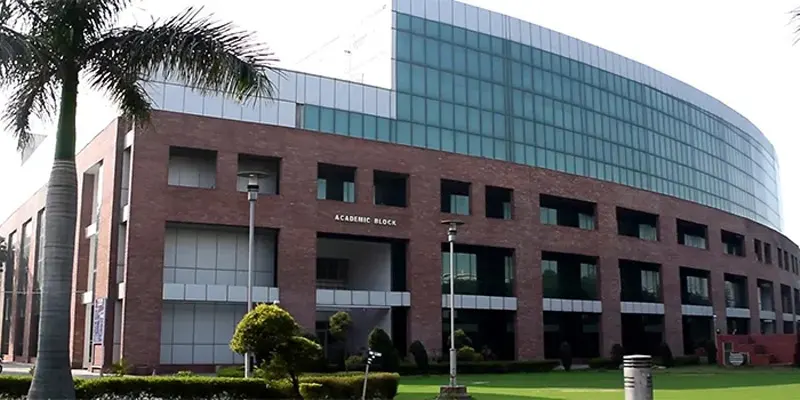
Archive picture. A medical college intake in an earlier era. India’s medical colleges have gone from 387 to 846, and the intake each of them takes has widened with them. Declared exception under BIMG/CIR/2026/02: file photograph used because the parliamentary answer of 7 August 2026 carries no event photograph.
A country gets a doctor from a UG seat. It gets a specialist — and a district hospital that works — from a PG seat.
At a Glance
• Medical colleges: 846, from 387 before 2014 — up 459
• MBBS seats: 1,39,864, from 51,348 — up 88,516, a 2.72-fold rise
• PG seats: 86,360, from 31,185 — up 55,175, a 2.77-fold rise
• AIIMS: 20 operational, six more under construction
• Source: Government reply in the Lok Sabha, 7 August 2026
• Admission route: all AIIMS MBBS admissions for 2026-27 are through NEET
For the student and the parent, three practical points follow. First, the expansion has been overwhelmingly in newly established colleges rather than in enlarged intakes at old ones, which means the seat a candidate wins is increasingly likely to be at an institution younger than the candidate. That is not a defect — every established college was once new — but it makes faculty strength, clinical material and hospital bed count the questions to ask about a college, rather than its name. Second, all AIIMS undergraduate admission for 2026-27 runs through NEET; there is no separate entrance route to prepare for. Third, with 20 AIIMS operational and six more under construction, the geography of elite medical training is still shifting, and a candidate’s calculation about which state to attempt should be made on the current year’s seat matrix rather than on a reputation formed a decade ago.
The constructive agenda from here is about the third variable, which is neither colleges nor seats but teachers. Every new medical college needs a faculty roster before it needs a building, and faculty are produced by the postgraduate system whose numbers have just been reported. The encouraging reading of these figures is that the PG expansion now running slightly ahead of the UG expansion is precisely the sequence that makes the next round of colleges staffable. The work that remains is to publish, college by college, the sanctioned-versus-filled faculty position — the single disclosure that would let a family judge a new institution on evidence rather than on prospectus.