Sindhu Jha
NEW DELHI: India is among five countries in Asia and the Pacific where the agriculture sector faces consistently “high risk” from rising temperatures, according to a new United Nations report. The risks reduced crop yields, lower livestock productivity, declining labour capacity and deepening rural poverty traps, it observed in the 2025 Asia-Pacific Disaster Report, released on November 26, 2025 by the UN Economic and Social Commission for Asia and the Pacific (ESCAP).
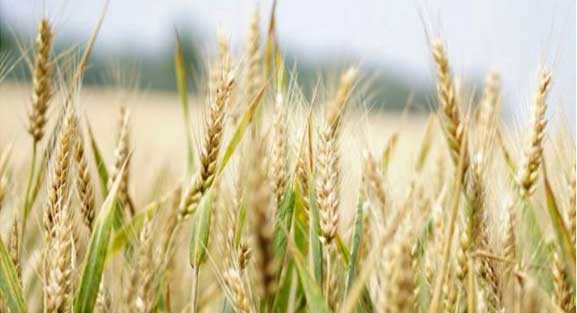
Agriculture contributes more than a quarter of the region’s GDP and employs most of the rural labour force, making it central to food security, livelihoods, and employment. But extreme heat is already pushing crops and livestock to “severe stress”, it warned. In 2022, India’s staple wheat crop withered following unprecedented March heatwaves during a critical late growth stage. Countries were categorised into moderate, high and extreme-high risk bands based on percentile rankings of their Agricultural Heat Stress Score (AHSS) and Warm Spell Duration Index (WSDI) values.
Labour productivity may fall by up to 27 per cent under high heat conditions, reducing individual incomes and weakening the resilience of food systems. “Ensuring food security in the AsiaPacific region will increasingly hinge on how well the region can adapt its agricultural systems to the new reality of more frequent and intense heat stress,” the report pointed out.
There was an urgent need to mainstreaming heat resilience in agriculture through integrating more granular climate risk information into decision-making for early warning systems, including cross-sectoral planning and public investment, ESCAP stressed.