
Blitz Bureau
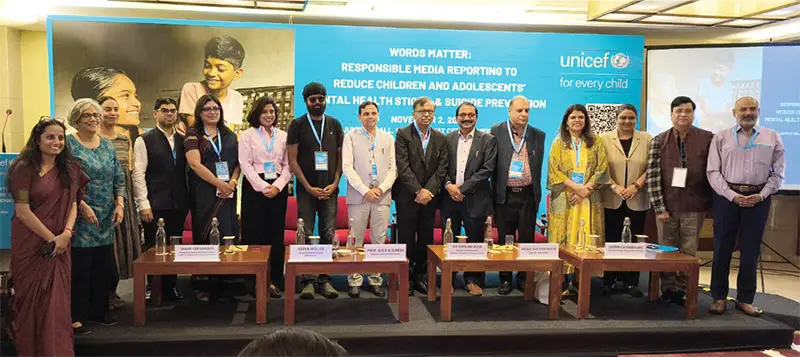
Unicef India has urged media organisations to adopt responsible and sensitive reporting on mental health of children and adolescents, and said constructive coverage could help reduce stigma, encourage help-seeking and create supportive environment.
Addressing a media roundtable in New Delhi, Unicef India Deputy Representative Jesper Moller said mental health and wellbeing were central to children’s rights and influenced how they learnt, built relationships and participated in decisions affecting their lives. “Reducing stigma requires a public conversation that builds understanding and trust in concerns relating to mental wellbeing. The media can play a vital role in promoting supportive environments, reducing discrimination and encouraging access to care,” he said.
Media language, headlines, images, sources and story-framing shape how audiences understand mental health. Sensational, stigmatising or diagnostic labelling can reinforce prejudice, deepen stigma and deter people from seeking help, speakers at the roundtable emphasised. They urged the media professionals to be sensitive when reporting on this issue.
They were of the view that reports involving children and adolescents must place their best interests at the centre. This includes protecting their privacy and confidentiality, avoiding identification of their schools, families or neighbourhoods, and preventing interviews or exposure that could lead to renewed distress, humiliation, or retaliation.