Blitz Bureau
NEW DELHI: Seventeen years after India last hosted it, the sport’s world championship began at the Indira Gandhi Arena on Monday. The interesting number is not the prize money. It is 224.
The 30th BWF World Championships opened in New Delhi on Monday and run to 23 August at the Indira Gandhi Arena. It is the first time India has staged the event since 2009. The draw carries 64 men and 64 women in the singles and 48 pairs in each of the three doubles disciplines — 224 entries in all, contesting five titles across seven days. Opening rounds are staggered across Monday and Tuesday, the competition moves into the knockout stages from 19 August, and the quarter-finals, semi-finals and finals run from 21 August.
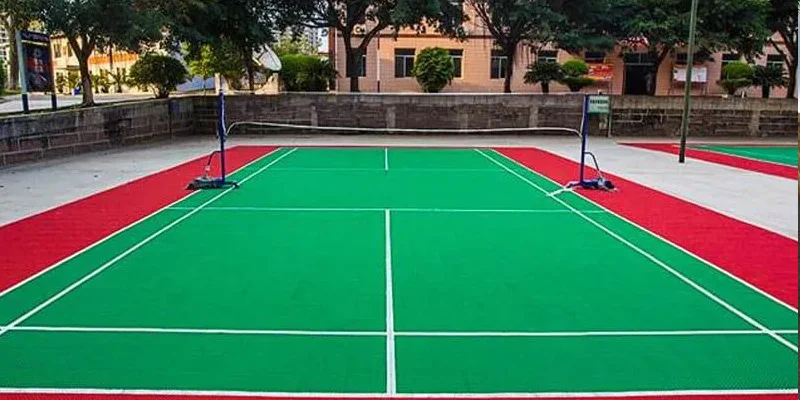
Hosting a world championship is a different proposition from hosting a tour event, and the difference is mostly invisible from the stands. A championship draw of this size requires practice halls with courts of identical playing conditions, shuttle speed calibrated to the arena’s air handling and re-checked as the hall fills, and an officiating roster deep enough to run parallel sessions for seven consecutive days. Those are the things visiting players notice and comment on, and they are the things that determine whether a host is asked again.
Seven days, five titles: the championship runs from 17 to 23 August at the Indira Gandhi Arena in New Delhi, the first time the event has been held in India since 2009.
A city that can run seven days of parallel sessions cleanly is a city that gets asked to host the next one.
At a Glance
• Event: 30th BWF World Championships
• Venue: Indira Gandhi Arena, New Delhi
• Dates: 17–23 August 2026
• Last held in India: 2009
• Singles draw: 64 men, 64 women
• Doubles: 48 pairs in each of three disciplines
• Titles: five — two singles, three doubles
• Opening rounds: staggered across 17 and 18 August
• Knockouts: from 19 August
• Finals week: quarter-finals onward from 21 August
For Indian badminton the significance is generational rather than immediate. The players who won the country its first world championship medals came up in an era when a home crowd for a world event was something they had to travel to imagine. A junior watching a semi-final in a Delhi arena this week is having a different formative experience, and the sport’s administrators have said for years that the constraint on India’s depth is not talent identification but the number of children who ever see the game played at the top level in person.
The constructive test of the week is therefore what remains after the trophies leave. Show courts return to being a stadium floor; what stays is a set of trained line judges and technical officials, a calibrated venue, and a domestic circuit that can point to a world championship as proof it can host. India’s badminton federation has an unusually good opportunity here — and the measure to publish twelve months from now is not the medal count but the number of national-level events the same officiating pool went on to run.