Blitz Bureau
NEW DELHI:
The rain that feeds the year has arrived in force. The India Meteorological Department has forecast heavy-to-very-heavy rainfall across large stretches of the north, east and centre through July 22, with a low-pressure area over the northwest Bay of Bengal deepening and a fresh western disturbance rolling into the hills from today. For the mountain states it has issued a flash-flood watch, and it expects the heaviest spells around July 20–21 — the monsoon at full tide, giving and testing in the same breath.
The map tells the story. The IMD has flagged the risk of flash floods and landslides across Uttarakhand — Dehradun, Nainital, Chamoli, Pauri Garhwal, Rudraprayag and Pithoragarh among the districts named — and for Himachal Pradesh and Jammu & Kashmir, where saturated slopes turn a cloudburst into a hazard within minutes. State disaster-response teams have been pre-positioned, hill highways are being watched for slips, and pilgrims and tourists have been asked to plan around the alerts. The rain is not a surprise; it is the season doing exactly what the country depends on it to do, at the intensity that demands respect.
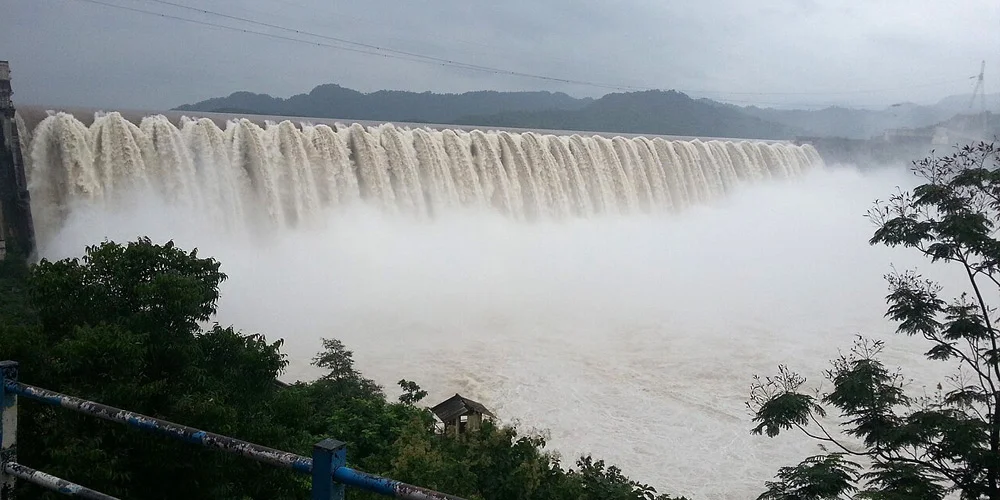
The season at full tide: With a Bay of Bengal low deepening and a western disturbance moving in, the IMD expects the heaviest rain around July 20–21 — and a flash-flood watch for the hill states.
The same rain that fills a reservoir can fill a valley too fast. The measure of a monsoon-ready nation is how early it sees the water coming, and how fast it moves people out of its way.
At a Glance
• Forecast: heavy-to-very-heavy rain across north, east and central India through July 22
• Peak: heaviest spells expected around July 20–21
• Watch: flash-flood/landslide risk for Uttarakhand, Himachal Pradesh and J&K
• Drivers: a deepening Bay of Bengal low and a fresh western disturbance
It is worth holding both truths at once. This is the rain that recharges India’s reservoirs, wets the soil for the kharif sowing that feeds the country, and refills the aquifers a long dry summer drew down; a strong, well-spread monsoon is among the most welcome things that can happen to the economy. The task is to capture that benefit while blunting the sharp edge of the same weather — the sudden inundation of a hill town, the landslide across a highway, the swollen river downstream — so that a season of plenty does not double as a season of loss.
The constructive read is that India’s monsoon machinery has quietly grown more capable, and the way forward is to keep sharpening it. Sharper district-level forecasts and impact-based warnings, an early-alert chain that reaches the last village by phone and siren, disaster-response units stationed before the cloudburst rather than after, and steady investment in drainage, embankments and slope stabilisation together turn raw rainfall into managed risk. Handled with that seriousness, the monsoon stays what it has always been for India — not a threat to be feared, but a resource to be harvested safely, year after year.