Blitz Bureau
NEW DELHI:A change of format changed the mood. After England swept the Twenty20 leg 4–0, India switched to their strongest white-ball suit and took a firm grip on the first one-day international at Edgbaston on Tuesday. A disciplined bowling effort, led by Axar Patel’s four wickets and set up by Jasprit Bumrah’s new-ball spell, bowled England out for 258 — and India’s chase quickly settled into the confident groove that had gone missing in the T20s.
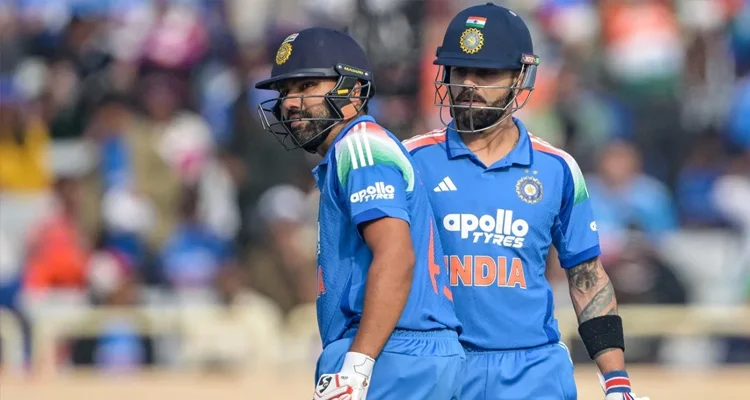
England owed their total to a seventh-wicket rescue, Joe Root anchoring an unbeaten 76 and Liam Dawson blazing a career-best 68 to lift them from 107 for six. India lost Rohit Sharma and Virat Kohli early to Jofra Archer and Sam Curran, but captain Shubman Gill answered with yet another composed half-century, unbeaten in the seventies and steering the reply alongside Shreyas Iyer as India closed in on the 259-run target in the evening session.
Every touring side has a hard week; the good ones are defined by the reply. In their best format, with their captain set, India wrote theirs at Edgbaston.
Off the field, India’s culture beat stayed lively. July has brought a steady flow of releases across languages, with Hindi titles taking close to half of the month’s collections so far and Telugu and Tamil films rounding out a genuinely multilingual market that keeps single screens and multiplexes working through the monsoon. It is the same lesson as the cricket, in a different key: breadth and depth sustain an industry.
The constructive read is that neither sporting resilience nor cultural vitality is luck; both are the yield of patient systems — coaching pathways and talent scouting on one side, a vast production and exhibition ecosystem on the other. Applied steadily, that model turns a hard cricketing fortnight into the base of the next winning side, and a busy July at the movies into a durable, job-rich industry.