
Blitz Bureau
NEW DELHI: Behind this week’s flood warnings sits a challenge older and more permanent than any single monsoon: India must live, at once, with too much water and too little. The country receives most of its rain in a few intense months and across a handful of regions, so the same calendar that floods a hill valley in July can leave a district parched by April. The structural task — the one that outlasts every forecast — is to hold on to the water of the wet months and spread it, safely and fairly, across the dry ones.
The stakes touch nearly everything else in the news. Agriculture, which supports a large share of the population, draws heavily on groundwater that is being pumped faster than the rain refills it in several regions; cities flood because drains and lakes have been built over; and hill towns face landslides where slopes and rivers have been crowded. None of this is destiny. It is the accumulated result of how a fast-growing country has used its land and water — and therefore something that better planning can steadily put right.
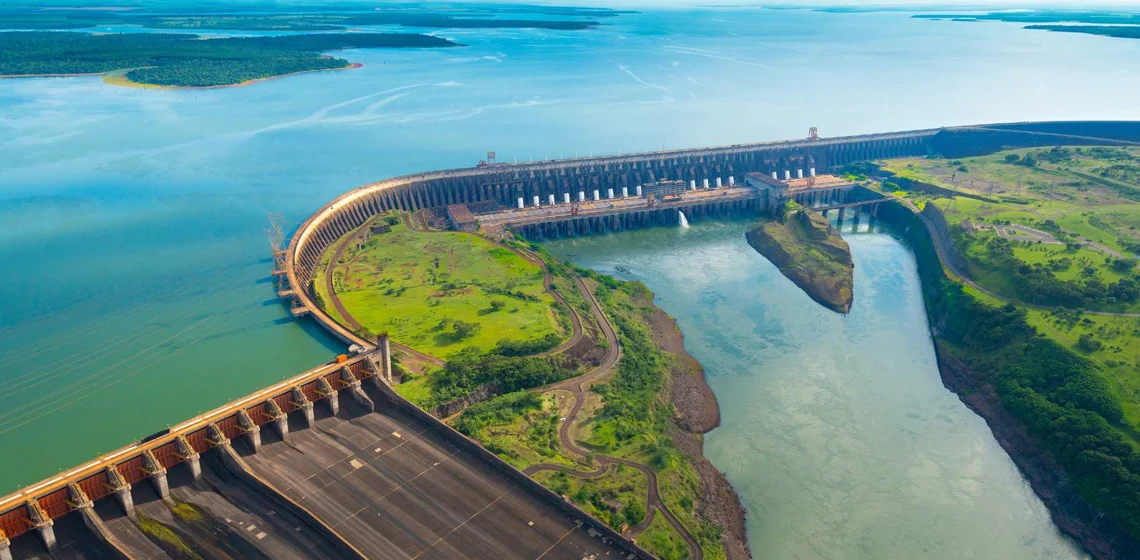
Hold it, then share it: India’s water challenge is to store the rain of a few intense months and spread it across the dry ones — through reservoirs, recharged aquifers and healthier floodplains.
A country is not water-rich or water-poor by rainfall alone, but by how well it stores what it is given. India’s monsoon is generous; the task is to be a better keeper of it.
The Long View
• The paradox: flood and drought in the same country, often the same year
• The cause: rain concentrated in a few months; over-drawn groundwater; built-over drains
• The fix: storage, aquifer recharge, restored lakes and floodplains, efficient irrigation
• The prize: steadier farms, safer cities, resilient hill towns
The honest account names the distance still to travel, and the tools already in hand. Rainwater harvesting and the revival of tanks and lakes let towns catch water where it falls; recharging aquifers turns a wet monsoon into a dry-season reserve; efficient, drip-based irrigation grows more crop per drop; and restoring floodplains and natural drainage gives rivers room, so a heavy week does the least harm. India’s growing network of impact-based weather warnings, now sharpened by satellites such as NISAR, ties it all together — telling communities not just how much rain is coming, but what it will do when it lands.
The constructive, long-view read is that water security is among India’s most solvable grand challenges — less a matter of scarcity than of storage, timing and care. The way forward is to treat every drop as an asset to be kept: build and maintain the storage, recharge the aquifers, protect the drains and floodplains, and price and use water wisely across farms and cities. Handled with that consistency, the monsoon stops being a gamble the country re-runs each July and becomes what it can be — a dependable, renewable foundation for India’s farms, towns and growth.